Your Phone Will Read Your Body's Secrets
Imagine a world where critical health checks happen right at home, not just in a clinic. Discover how your smartphone is becoming a powerful, accurate, and rapid health monitor, detecting key body signals you didn't even know it could see.
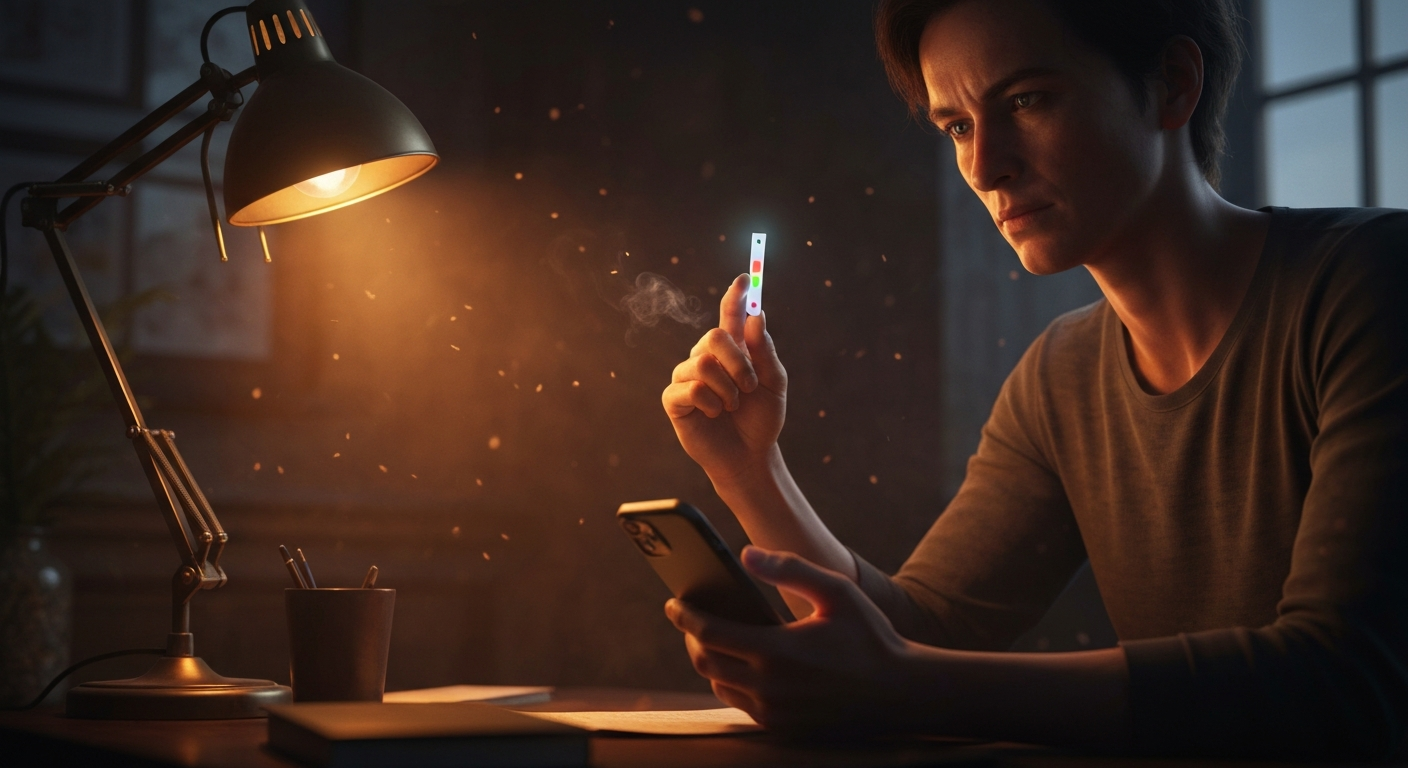
What if your smartphone, that device glued to your hand, could tell you if your kidneys were struggling or if you needed more iron, all in minutes? It sounds like something out of a futuristic movie, right? But what if I told you that this incredible reality, known as smartphone health monitoring, is closer than you think, thanks to some clever tech making its way out of the lab and into real patient trials right now.
This isn't just a hopeful theory; it's a tangible leap forward in personal health. We're talking about a future where your phone isn't just for calls or social media, but a powerful, portable diagnostic tool, ready to give you vital insights into your body's chemistry whenever you need it. This could dramatically change how we manage our health, especially for those with chronic conditions, bringing the clinic right to your fingertips.
Your Phone Is Already Testing Your Health
Yes, your phone can test your health, and it's already doing so in clinical settings for crucial indicators. Recent research has shown a system that lets your smartphone accurately detect levels of hemoglobin and potassium—two vital components of your blood. Think of hemoglobin as the tiny oxygen trucks in your blood, and potassium as one of the key conductors for your body's electrical signals, like your heart and muscles.
This isn't a simple trick; it’s a clinically validated system. A study analyzed hundreds of measurements from 133 patients with end-stage renal disease and 51 people undergoing kidney transplants. The results were impressive, showing diagnostic accuracy rates of 86.55% for detecting anemia (when you don't have enough oxygen trucks) and 87.73% for dyskalemia (when your potassium conductor is out of balance). Here’s a truly surprising fact you might share: this smartphone-based test could give you your hemoglobin results in just two minutes, drastically faster than traditional lab tests.

How Your Phone Learns Your Body's Chemistry
Your smartphone learns your body's chemistry using principles similar to what you'd find in a professional lab, but miniaturized and simplified. Imagine you have a special test strip, much like a tiny piece of paper that changes color when it reacts with something. For hemoglobin, the strip reacts with a small blood sample using a specific chemical, changing color based on how much hemoglobin is present – kind of like how a rich red wine looks different from a pale rosé.
For potassium, a different chemical reaction happens on a separate strip, revealing the potassium levels through another color change, much like a pool test strip tells you about water purity. Your phone then steps in: its ambient light sensor, which usually adjusts your screen brightness, acts like a tiny, super-sensitive camera. It "sees" these subtle color shifts. An app, like Phyphox, then works as a clever calculator, translating those visual changes into precise numbers using pre-programmed calibration curves. It’s like having a miniature, intelligent lab assistant in your pocket.
The Path from Lab to Your Living Room
Moving this incredible technology from research labs to widespread use in your living room requires careful steps. Currently, dedicated research teams and academic institutions, like those behind the recent study, are pioneering these advancements. They're refining the chemistry, enhancing the smartphone app, and ensuring the systems are robust enough for everyday situations. While the core technology shows immense promise, significant hurdles remain before you can walk into a pharmacy and pick up a smartphone-compatible test kit.
One major challenge involves extensive additional clinical trials to validate the technology across even broader and more diverse populations. Then comes the complex process of regulatory approval, such as from the FDA in the US or the EMA in Europe, which ensures the device is safe and effective for public use. Finally, making the test kits user-friendly, affordable, and easily accessible is a big engineering and manufacturing task. If these next phases go smoothly and regulatory bodies are satisfied, you might realistically expect to see widespread personal smartphone health monitoring devices in the next five to ten years.
Why This Matters for Your Everyday Life
This innovation isn't just about cool tech; it's about bringing critical health insights right to your fingertips, fundamentally changing how you interact with your own well-being. For individuals living with chronic conditions, particularly kidney disease, this is truly transformative. Instead of frequent, time-consuming trips to the clinic for blood draws, you could monitor vital signs like hemoglobin and potassium levels from the comfort of your home. This means fewer hospital visits, less travel, and a significant reduction in the anxiety often associated with managing complex health issues.
Imagine catching a dangerous electrolyte imbalance, which was identified in the study as a frequent critical alert for kidney transplant patients, simply by doing a quick test with your phone. This early detection could prevent serious complications and empower you to take proactive steps with your doctor. This isn't just about diagnosis; it’s about empowerment. It means you become a more informed, active participant in your own health journey, turning your smartphone into an invaluable partner in maintaining your well-being.
Key Takeaways
- Your smartphone can soon become a powerful, portable tool for monitoring vital health indicators like hemoglobin and potassium levels.
- The technology has already shown high accuracy in clinical trials with kidney patients, offering hemoglobin results in just two minutes.
- This innovation promises to revolutionize chronic disease management, empowering individuals with rapid, at-home access to critical health information within the next decade.
Frequently Asked Questions
What health levels can this smartphone test detect? This smartphone system can rapidly and accurately detect both hemoglobin levels, which indicate anemia, and potassium levels, crucial for heart and muscle function, particularly important for kidney patients.
How accurate is smartphone health monitoring? In clinical trials, the system showed high diagnostic accuracy, specifically 86.55% for anemia and 87.73% for dyskalemia, demonstrating its reliability for crucial health indicators.
When can I expect to use this technology at home? While promising, widespread availability depends on further clinical trials, regulatory approvals, and manufacturing scale. You can realistically expect to see this technology become accessible in the next five to ten years.
Editorial note: The scientific findings presented in this article are sourced exclusively from published research papers, peer-reviewed studies, certified inventions, and registered patent filings. Images generated by AI.
Stay ahead of the curve
The science that shapes tomorrow — in your inbox every week
The scientific findings presented in our articles are sourced from published research papers, peer-reviewed studies, certified inventions, and registered patent filings. Subscribe for focused weekly coverage, hands-on explainers, and practical insights that help you stay curious — no jargon, no noise.
By subscribing, you agree to receive newsletter and marketing emails, and accept our Terms of Use and Privacy Policy. You can unsubscribe anytime.
Hydrogen Energy, Carbon Capture & Electrochemistry
Materials scientist turned writer, tracking the chemistry that could make a genuinely zero-carbon world possible.
View full profile →