Your Dinner Could Be Powered By Water
Imagine eating fresh fish that's truly good for the planet, grown without relying on polluting power plants or chemicals. A clever new system might soon make sustainable seafood a delicious reality, turning solar energy and water into a self-sustaining fish farm.
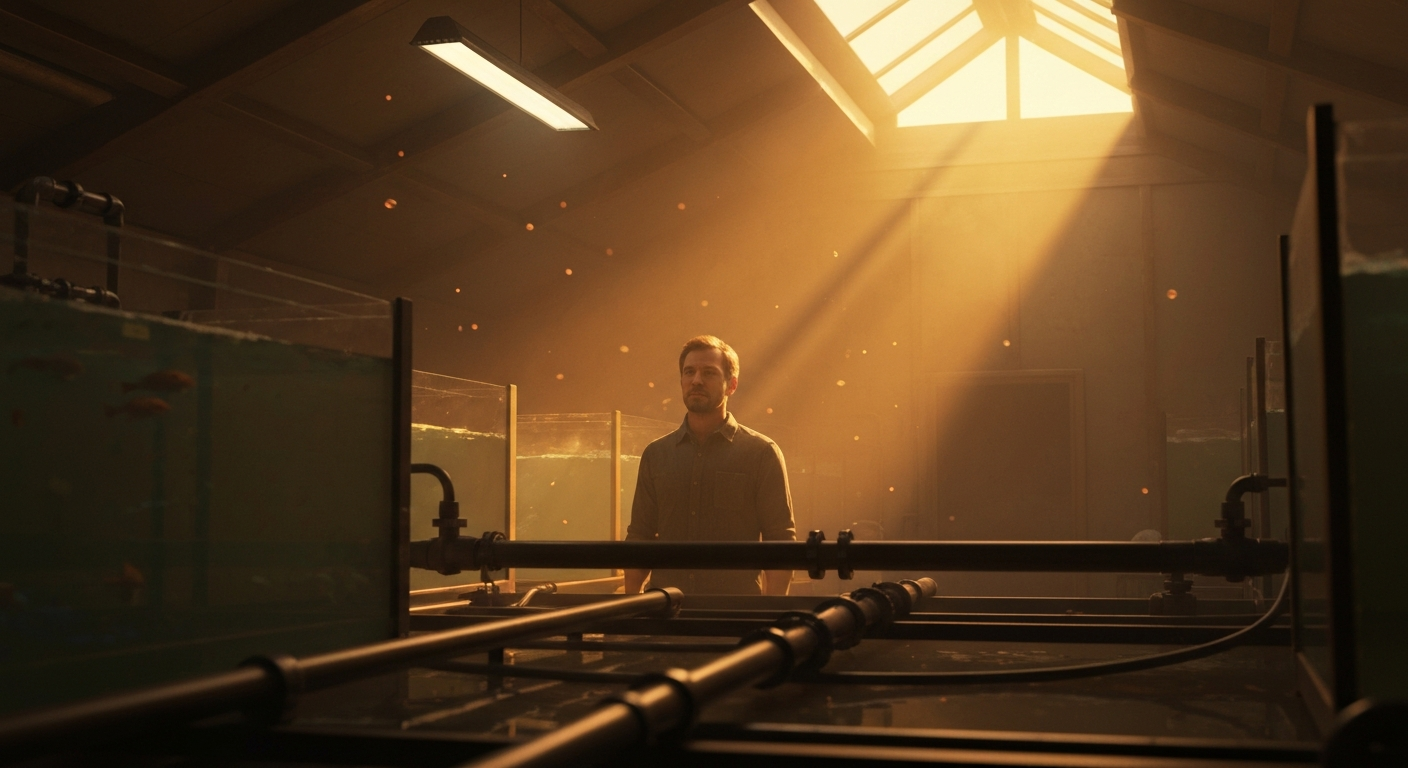
The fresh fish you enjoy might seem like a simple pleasure, but the journey from farm to plate often carries a hidden cost. Modern aquaculture, or fish farming, helps meet global demand, yet it often guzzles electricity to run pumps and aerators, and it can struggle with water quality issues that sometimes require chemical treatments. This isn't just an ecological headache; it’s a big financial burden on the farmers themselves, driving up the price of your seafood and creating a reliance on fluctuating energy markets.
This isn't just about environmental ideals; it’s a deeply practical problem for an industry trying to feed billions. Current fish farms often act like hungry dependents on the electrical grid, constantly pulling power for everything from filtering water to keeping fish oxygenated. When the power goes out, or prices spike, their entire operation is at risk, making sustainable and affordable seafood a constant challenge.
But what if you could grow fish in a system that not only cleans its own water but also powers itself using nothing but sunshine and water? This isn't science fiction; it’s the core idea behind a recent patent that could fundamentally change how we think about aquaculture. Researchers are now developing a self-circulating fish farming system that acts like its own miniature power plant and water treatment facility, right where the fish live.
Think of it like this: instead of buying electricity from the grid, this system generates its own, much like a tiny, personal utility company for fish. It begins with photovoltaic power generation, which is just a fancy way of saying solar panels soaking up sunlight and turning it into electricity. This clean energy then fuels a process called water electrolysis, where water (H₂O) is split into hydrogen gas (H₂) and oxygen gas (O₂), essentially using electricity to pull water apart.
Here's where it gets really clever: the hydrogen gas isn't wasted; it's stored and then fed into a hydrogen fuel cell. This fuel cell works like a reverse electrolysis machine, combining the stored hydrogen with oxygen from the air to generate electricity whenever the sun isn't shining. It's a closed-loop energy cycle—solar energy becomes hydrogen, and hydrogen becomes electricity, ensuring a steady, independent power supply for the entire fish farm, without ever needing batteries or the main grid. This is a fascinating step towards systems where your power could flow without any waste, creating a truly sustainable energy future.
What many find surprising is that the oxygen produced during the water splitting process (electrolysis) isn't just a byproduct; it's directly pumped into the fish tanks. This oxygenation dramatically reduces the need for traditional aerators, those energy-intensive machines that bubble air into the water. This smart reuse slashes operational costs and energy consumption. Even better, the process also produces ozone, a powerful natural purifier that sterilizes the water, breaking down harmful substances like ammonia and nitrites – chemicals that can stress fish and force farmers to use less desirable chemical agents.
This integrated approach means cleaner water for the fish, healthier fish, and a significantly reduced environmental footprint. The system even recycles the water generated by the fuel cell, further minimizing water waste. Imagine a fish farm where every single resource – electricity, hydrogen, oxygen, and water – is carefully managed and reused within a single, self-sufficient loop. It’s like a tiny, perfectly balanced ecosystem designed for efficient and healthy seafood production.
This kind of innovation is still in the patent phase, meaning it’s a brilliant idea that engineers and scientists are actively working to turn into a practical reality. You probably won't see this system in widespread use on a huge scale for at least 5 to 10 years, as researchers need to refine its efficiency, scale up production, and bring down manufacturing costs. But the fundamental principles are sound, offering a compelling vision for the future of food.
The practical impact for you is profound. If these systems become common, it means the fish on your plate could come from farms that are genuinely sustainable, reducing their carbon footprint and their reliance on fossil fuels. It could lead to higher quality seafood, grown in cleaner conditions with fewer chemical interventions. And who knows, it might even make fresh, healthy fish more accessible and affordable in the long run.
Ultimately, this isn't just about feeding more people; it's about feeding them better, with less harm to our planet. It’s a testament to how clever engineering can create harmony between our needs and nature’s delicate balance, offering a clearer, cleaner path for one of our most vital food sources. The thought that your next fish dinner could be part of a water-powered, self-sustaining cycle truly opens up exciting possibilities.
How a Water-Powered Fish Farm Actually Works
A water-powered fish farm uses sunlight and the natural properties of water to create a self-sustaining environment. This system harnesses solar energy to produce its own power and vital resources like oxygen and ozone. It works by integrating several technologies into one seamless operation.
Here's a step-by-step breakdown:
- Solar Power Generation: Photovoltaic panels, essentially large solar collectors, capture sunlight and convert it into electricity. This initial energy input is entirely clean and renewable.
- Water Electrolysis: The generated electricity is then used to split water molecules (H₂O) into hydrogen gas (H₂) and oxygen gas (O₂). Think of this as carefully pulling the water apart with electricity.
- Hydrogen Storage & Fuel Cell: The hydrogen gas is stored, acting as an energy reserve. When sunlight is scarce, this stored hydrogen is fed into a fuel cell, which combines it with oxygen to generate electricity, powering the farm at night or on cloudy days. This process echoes how hydrogen fuel has a surprising hidden cost in other contexts, but here it's carefully managed within a closed system.
- Oxygen for Fish: The oxygen produced during electrolysis is directly used to aerate the fish tanks, ensuring the fish have plenty of breathable oxygen without needing separate, energy-hungry aerators.
- Ozone for Purification: As a beneficial byproduct of the electrolysis, ozone is also generated. Ozone is a powerful natural disinfectant, which sterilizes the aquaculture water and degrades harmful substances like ammonia and nitrites, reducing the need for chemical agents. This is a bit like how tiny microbes are the secret to fresher food by naturally controlling spoilage.
- Water Recycling: The fuel cell, in generating electricity, produces clean water as a byproduct. This water is then recycled back into the aquaculture system, minimizing overall water consumption.
The Quiet Benefits of Self-Sustaining Aquaculture
This innovative approach offers several compelling benefits that reach far beyond the farm itself. For you, it means a more reliable and potentially cleaner source of seafood. From an environmental perspective, it significantly cuts down on pollution and energy waste.
This system effectively creates a circular economy for fish farming. It reduces dependence on external energy grids, lowers operational costs for farmers, and lessens the environmental impact associated with traditional aquaculture. The integration of oxygen and ozone generation directly into the system means healthier fish and reduced reliance on chemical treatments, which is a win for both the animals and the consumers.
What Does This Mean for Your Food Choices?
The shift towards self-circulating aquaculture could change your relationship with seafood. You could have more confidence that your farmed fish is raised in the cleanest possible conditions. It’s a move toward a future where our food systems are less extractive and more harmonious with the planet.
For coastal communities and landlocked areas alike, this technology presents an opportunity for localized, sustainable food production. It empowers farmers to operate with greater independence from volatile energy markets and provides a tangible pathway toward meeting the growing global demand for protein in an environmentally responsible way. This system embodies a vision where technology and nature work in tandem, leading to healthier food and a healthier planet.
FAQ_SECTION

Key Takeaways
- This system creates a closed-loop energy and resource cycle for fish farming, using solar power, hydrogen, oxygen, and ozone to achieve self-sufficiency.
- It significantly reduces energy consumption, eliminates reliance on the electrical grid, and minimizes environmental pollution from aquaculture.
- By integrating oxygenation and natural water purification, it promises healthier fish and a more sustainable, cost-effective way to meet global seafood demand in the future.
Editorial note: The scientific findings presented in this article are sourced exclusively from published research papers, peer-reviewed studies, certified inventions, and registered patent filings. Images generated by AI.
Stay ahead of the curve
The science that shapes tomorrow — in your inbox every week
The scientific findings presented in our articles are sourced from published research papers, peer-reviewed studies, certified inventions, and registered patent filings. Subscribe for focused weekly coverage, hands-on explainers, and practical insights that help you stay curious — no jargon, no noise.
By subscribing, you agree to receive newsletter and marketing emails, and accept our Terms of Use and Privacy Policy. You can unsubscribe anytime.
Hydrogen Energy, Carbon Capture & Electrochemistry
Materials scientist turned writer, tracking the chemistry that could make a genuinely zero-carbon world possible.
View full profile →