Your Body May Soon Fight Superbugs Better
Imagine a world where common infections aren't a death sentence because antibiotics fail. Scientists are now combining two powerful infection fighters to create a new way for your body to win against antibiotic resistance.
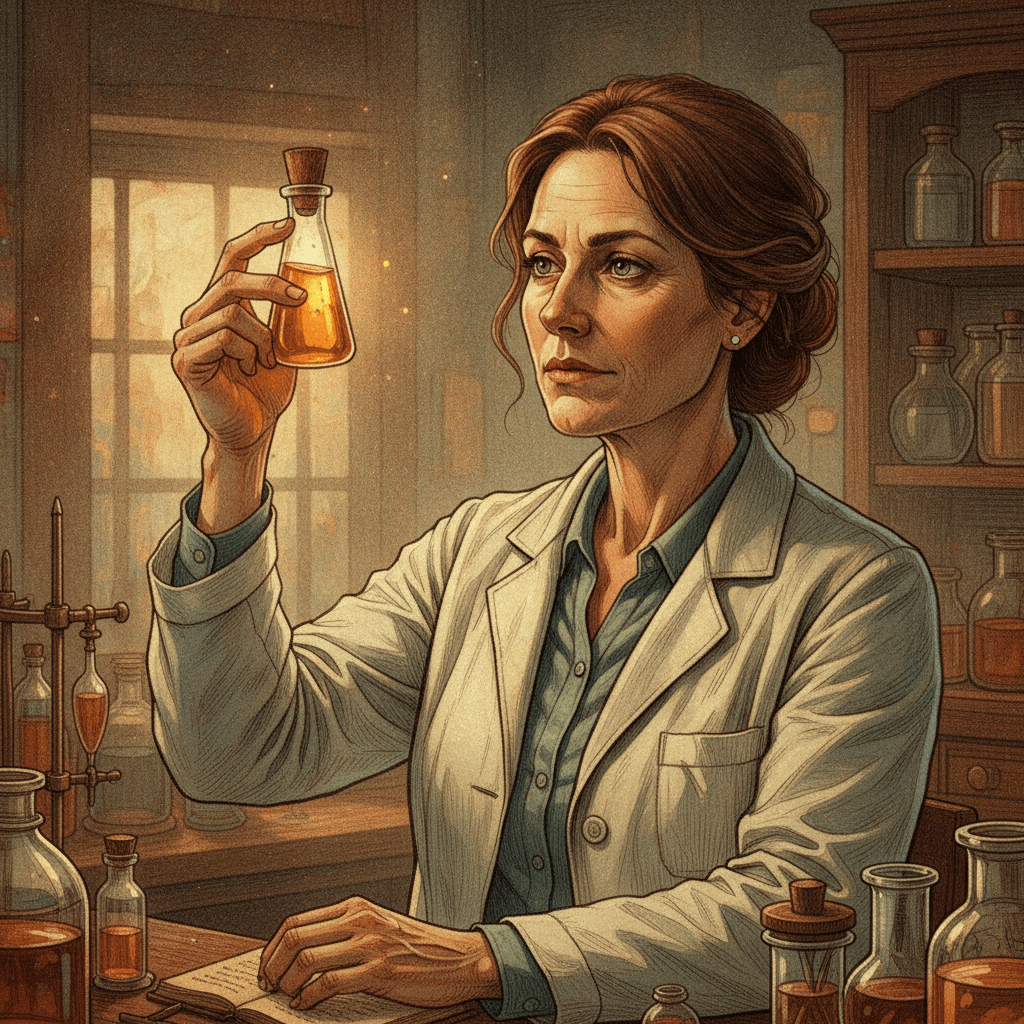
Antibiotic resistance is quietly making common infections dangerous again, but new research shows a clever way your body might win this fight. Experts are combining two existing medicines to create a more powerful one, like having two different keys that open the same stubborn lock, making it much harder for bacteria to resist. This approach is showing incredible promise in early laboratory tests.
This method merges vancomycin, a tried-and-true antibiotic often used for tough infections, with teixobactin, a newer infection fighter discovered a few years ago that targets bacteria in a different way. Think of it like a coordinated attack: vancomycin weakens the bacteria's outer wall, while teixobactin steps in to block its ability to build new walls, creating a double whammy for the microbes. The goal is to develop treatments that can defeat even the most persistent "superbugs," bacteria that have learned to shrug off standard medicines.
How Merging Medicines Changes the Rules
The challenge with antibiotics is that bacteria are incredibly adaptable, evolving strategies to survive treatment, much like a chameleon changing its skin to blend into its surroundings. When you use just one antibiotic, bacteria can find a single way to outsmart it. This constant battle for survival is why we're seeing more and more cases where common infections are becoming impossible to treat.
By linking vancomycin and teixobactin together into a single molecule, scientists are creating a compound that hits bacteria in two places at once. This makes it far harder for bacteria to develop resistance because they'd need to evolve two different defenses simultaneously, like needing to invent both a shield and an invisibility cloak at the same time. This synergistic activity, where two things working together are more effective than the sum of their individual parts, is what makes this approach so compelling. One surprising fact: a recent study found that the number of antibiotic-resistant deaths worldwide reached 1.27 million in 2019, highlighting the urgency of finding new solutions.
Who's Making This Happen and What Comes Next
This promising research comes from university labs and pharmaceutical companies looking for new ways to combat the growing crisis of antibiotic resistance. The early work, as seen in patents like the "Antibiotic Vancomycin-Teixobactin Conjugates" from the European Patent Office, focuses on synthesizing these combined molecules and testing their effectiveness against various resistant strains of bacteria. Think of synthesis as carefully building a complex LEGO model piece by piece, ensuring each part connects perfectly.
The main hurdle right now is moving from laboratory studies to human trials. This involves extensive testing to ensure the new compound is safe and effective in people, a process that can take many years and significant funding. If all goes well with safety and efficacy tests, you could see these kinds of advanced treatments becoming available in hospitals within the next 10 to 15 years. This is a crucial step for preventing serious illness, much like how bacteria's secret messengers could fight sickness in other biological systems.
Your Future With Smarter Infection Fighters
The potential for these combined antibiotics is huge. Imagine a future where a serious bacterial infection, currently feared because it resists most drugs, can be treated with a medicine specifically designed to outmaneuver it. This would mean fewer hospital stays, less severe illness, and ultimately, more lives saved. It means your doctor would have powerful new tools to keep you healthy, rather than facing the agonizing prospect of having no effective treatment options left.
This isn't just about finding a new drug; it's about shifting the strategy in our fight against infectious diseases. By understanding how bacteria build their defenses and then designing compounds that specifically target those weaknesses from multiple angles, we're taking a significant step towards ensuring that our medicines remain effective for generations to come. This kind of innovative approach is essential for public health, similar to how AI just quietly found your hidden sickness in other diagnostic areas.
What Prevents the Wider Use of New Antibiotics?
Developing new antibiotics is incredibly complex and expensive. There's also the challenge of ensuring new drugs are used responsibly to slow the development of resistance. New strategies, like combination therapies, aim to overcome these barriers by being more effective from the start.

Key Takeaways
- Scientists are combining two powerful antibiotics, vancomycin and teixobactin, to create a single, more effective molecule.
- This new combination therapy attacks bacteria in two ways at once, making it far harder for superbugs to develop resistance.
- If human trials are successful, these innovative treatments could be available within 10-15 years, offering a stronger defense against deadly infections.
Frequently Asked Questions
What is antibiotic resistance? Antibiotic resistance happens when bacteria change and learn to defeat the drugs designed to kill them. This makes infections harder to treat, sometimes leading to more severe illness or even death.
How do vancomycin-teixobactin conjugates work? These conjugates combine two antibiotics into one molecule, attacking bacteria in two different ways simultaneously. This dual action makes it much harder for bacteria to develop resistance to the treatment.
When might these new treatments be available? While showing promise in labs, these treatments are likely 10 to 15 years away from widespread use. They must first undergo rigorous human trials for safety and effectiveness.
Editorial note: The scientific findings presented in this article are sourced exclusively from published research papers, peer-reviewed studies, certified inventions, and registered patent filings. Images generated by AI.
Stay ahead of the curve
The science that shapes tomorrow — in your inbox every week
The scientific findings presented in our articles are sourced from published research papers, peer-reviewed studies, certified inventions, and registered patent filings. Subscribe for focused weekly coverage, hands-on explainers, and practical insights that help you stay curious — no jargon, no noise.
By subscribing, you agree to receive newsletter and marketing emails, and accept our Terms of Use and Privacy Policy. You can unsubscribe anytime.
Health & Biomedical Innovation
Science journalist and former biomedical researcher covering the frontiers of medicine.
View full profile →