Tree Waste May Soon Clean Our Water
The wastewater from factories is often full of harmful chemicals, but what if a simple byproduct from trees could clean it naturally and affordably? Discover how wood waste, usually thrown away, is being transformed into a powerful, eco-friendly water filter.
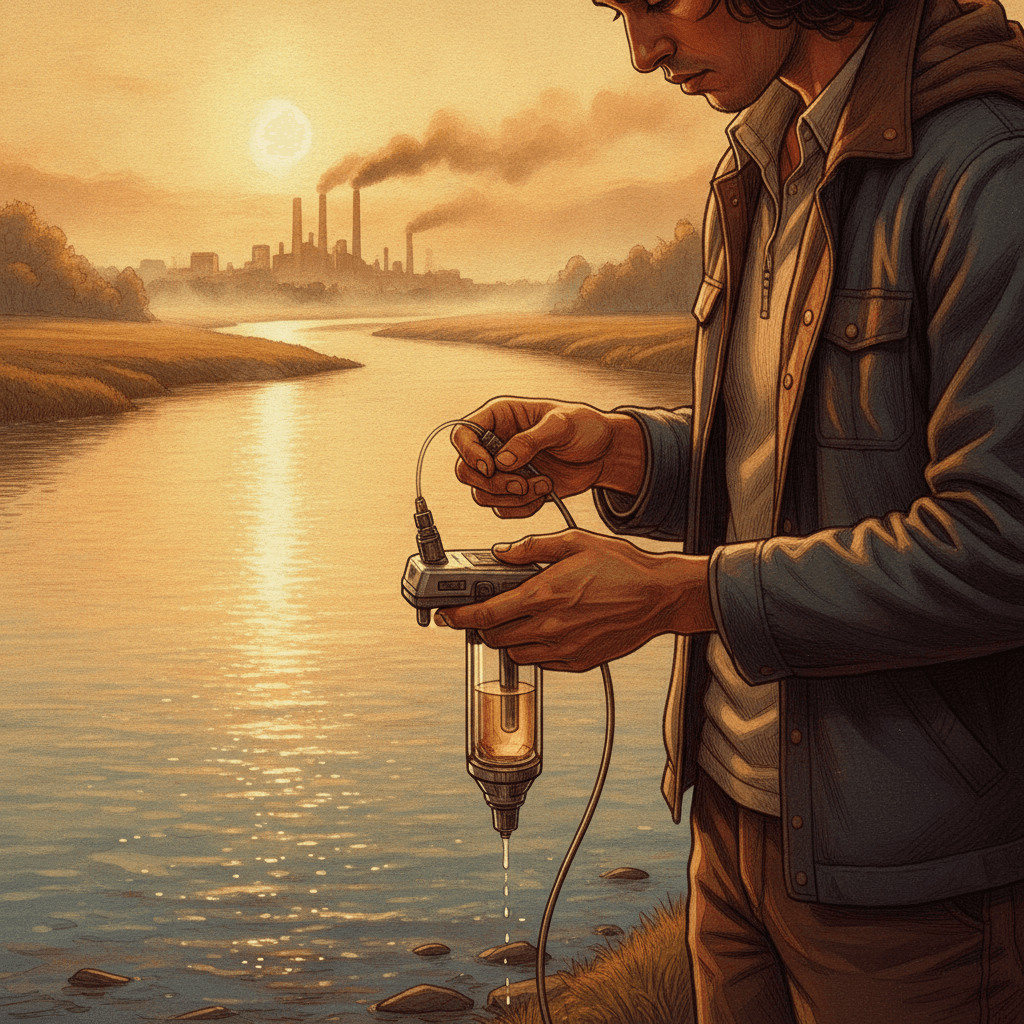
Our factories dump billions of gallons of toxic wastewater every year, threatening our health and the environment. This isn't some far-off problem; it's happening right now, polluting rivers and ecosystems we rely on every day. But what if the solution to this enormous problem was hiding in plain sight, something we usually discard?
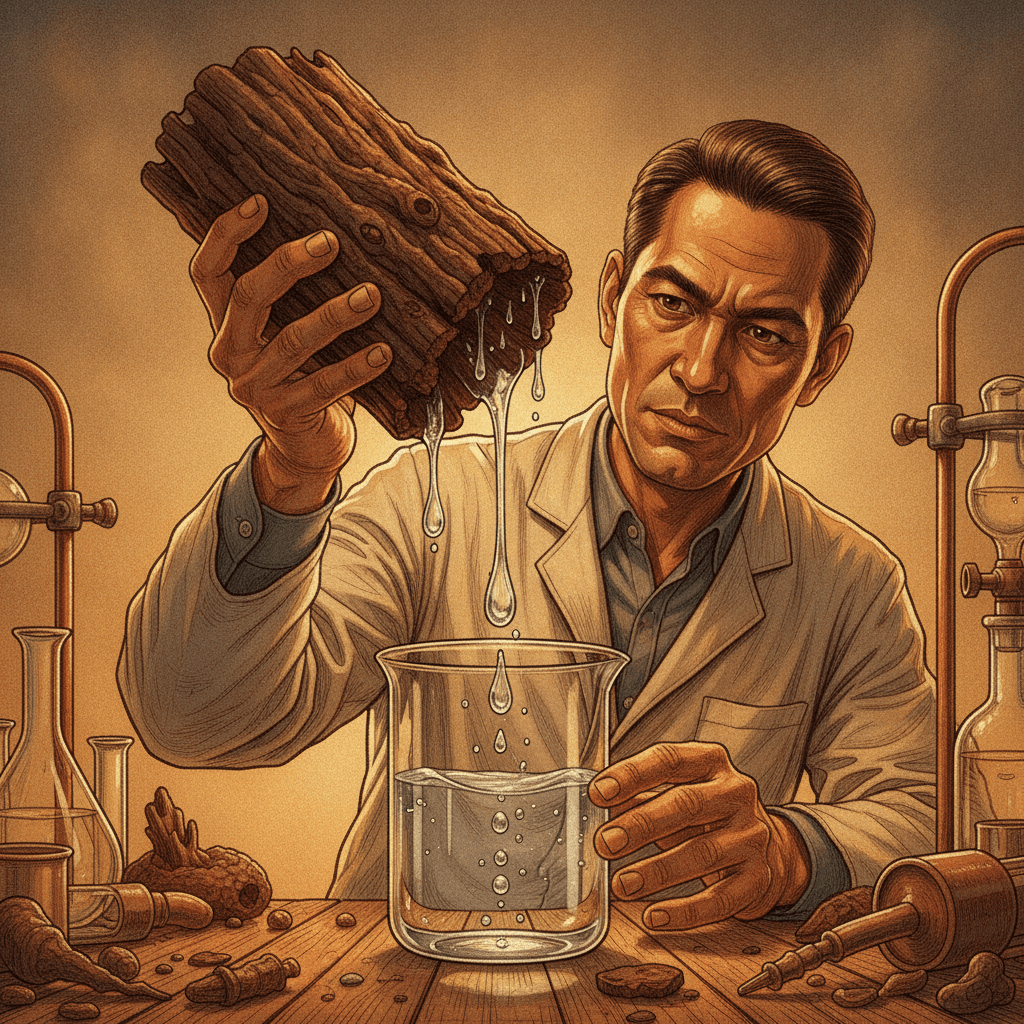
This isn't sci-fi. Researchers from institutions like Nanjing Forestry University are showing us a future where the leftover bits from trees – something called lignin – could become our secret weapon against industrial pollution. Imagine vast quantities of heavy metals, radioactive elements, and nasty chemicals simply disappearing from water, not through expensive, complex systems, but with a natural material that's abundant and cheap. Dr. Feng Li's team, among others, has been publishing extensive work on how this wood byproduct can be engineered into powerful adsorbents, like tiny sponges that soak up pollutants.
Your Water Could Get a Green Filter
Lignin, often seen as waste from paper mills, is essentially the natural glue that holds plant fibers together, giving wood its strength and rigidity. Think of it like the sturdy, complex scaffolding within a building, but for a tree. Its structure is incredibly intricate, full of nooks and crannies, and loaded with chemical groups that are perfect for grabbing onto other substances. This makes it an ideal candidate for cleaning water because it has so many spots where pollutants can attach, much like a velcro glove picking up tiny fuzz balls.
The real cleverness comes in modifying this natural material. Scientists aren't just tossing wood chips into dirty water; they're fine-tuning lignin into super-efficient filters. For instance, they can "activate" it, which is like baking a cake to make it porous and full of holes, increasing its surface area so it can absorb more. Or, they can convert it into nanoparticles, making the cleaning process much faster, similar to how finely ground coffee brews quicker than whole beans. These tiny particles have more surface exposure, allowing them to capture contaminants more rapidly and efficiently.
Tailoring Filters for Specific Toxins
You wouldn't use the same tool to fix a leaky faucet as you would to build a house, right? The same logic applies here. Different pollutants need different modifications to the lignin. For heavy metals like lead or zinc, which carry a positive charge in water, scientists can add negatively charged groups (like carboxyl groups) to the lignin surface. It’s like creating a tiny magnet that specifically attracts and holds onto those metal ions, forming stable complexes that won't let go.
Conversely, for negatively charged metals like chromium or arsenic, they might graft on amino groups, acting like the opposite side of the magnet. Even organic pollutants, the sticky carbon-based chemicals, can be tackled by making the lignin surface more "hydrophobic" – basically, water-hating. This causes organic molecules to cling to the lignin rather than dissolving in the water. For especially tough organic chemicals, combining lignin with other advanced materials, like graphene, creates a super-sponge with both tiny pores and strong attractions, trapping even the most stubborn gunk. These varied approaches mean how tiny life will clean our water can be massively enhanced.
The Real-World Impact on Our Lives
If this technology scales, the changes could be immense. Imagine a world where industries can treat their wastewater cheaply and effectively on-site, vastly reducing their environmental footprint. This means cleaner rivers for swimming and fishing, safer drinking water for communities, and healthier ecosystems overall. It's a bit like a chef who, instead of throwing away vegetable scraps, discovers a way to turn them into a powerful, all-natural cleaning product for their kitchen. The waste becomes a solution.
One surprising fact: roughly 50-70 million tons of lignin are produced globally each year as a byproduct of paper manufacturing. Most of this is burned for energy or discarded, not put to high-value use. Tapping into this massive resource would not only clean water but also turn an industrial waste product into a valuable commodity. This could also help in how AI makes cancer treatment safer by reducing exposure to environmental carcinogens.
Challenges on the Path to Widespread Use
Of course, no solution is without its hurdles. Researchers are still working on ensuring the raw lignin quality is consistent, as it can vary depending on the tree source and processing method. They're also figuring out how to prepare these modified lignins on a truly massive scale and how to regenerate the used filters efficiently, so they can be cleaned and reused, extending their life. These are significant engineering challenges that will take years to fully optimize.
But the potential is enormous. With ongoing refinement of modification techniques, precise control over the filter's structure, and greener production methods, lignin-based adsorbents could be widely adopted within the next 10-15 years. This would not only offer crucial support for tackling water pollution but also promote smarter use of our planet's renewable resources. It's about finding powerful answers in the most unexpected places, showing us the quiet strength of nature combined with clever science.
Key Takeaways
- Lignin, a common wood byproduct, can be transformed into highly effective, low-cost filters for industrial wastewater.
- Specific chemical modifications allow lignin to target and remove various pollutants, including heavy metals, organic chemicals, and radionuclides.
- Utilizing lignin as an adsorbent turns a significant industrial waste product into a valuable tool for environmental cleanup and resource utilization.
Frequently Asked Questions
What is lignin, and why is it useful for water treatment? Lignin is a natural material from plants, like wood's glue. It has a complex structure with many sites that can grab onto pollutants, making it effective for absorbing harmful chemicals from industrial wastewater.
How do scientists modify lignin to clean water? They activate lignin to create more pores, make nanoparticles for faster action, or add specific chemical groups to its surface. These modifications allow lignin to attract and bind different types of pollutants, like heavy metals or organic compounds.
What kinds of pollutants can lignin-based filters remove? Lignin-based filters can remove a wide range of pollutants, including heavy metal ions (like lead and chromium), organic compounds, and even radioactive substances like uranium and cesium. Its versatility makes it a promising broad-spectrum cleaner.
Editorial note: The scientific findings presented in this article are sourced exclusively from published research papers, peer-reviewed studies, certified inventions, and registered patent filings. Images generated by AI.
Stay ahead of the curve
The science that shapes tomorrow — in your inbox every week
The scientific findings presented in our articles are sourced from published research papers, peer-reviewed studies, certified inventions, and registered patent filings. Subscribe for focused weekly coverage, hands-on explainers, and practical insights that help you stay curious — no jargon, no noise.
By subscribing, you agree to receive newsletter and marketing emails, and accept our Terms of Use and Privacy Policy. You can unsubscribe anytime.
Battery Materials, Energy Storage Chemistry & Electric Vehicle Technology
Battery materials journalist covering the chemistry behind the electric revolution — and why the next decade of progress depends on what's inside the cell, not outside it.
View full profile →