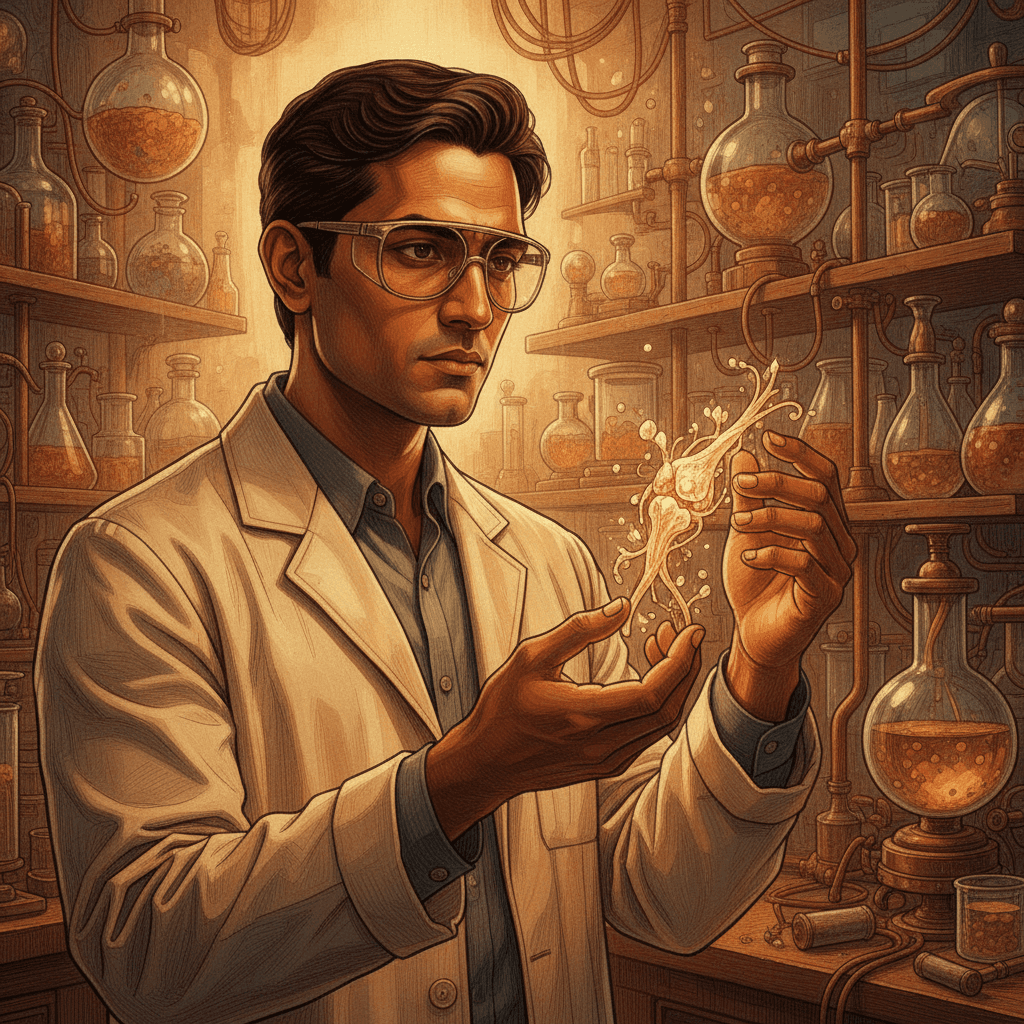
A Simple Plant Could Clean Our Water
Imagine factories and cities releasing cleaner water, without harsh chemicals or huge energy bills. A surprising new method using humble plant extracts could make polluted water nearly pristine.
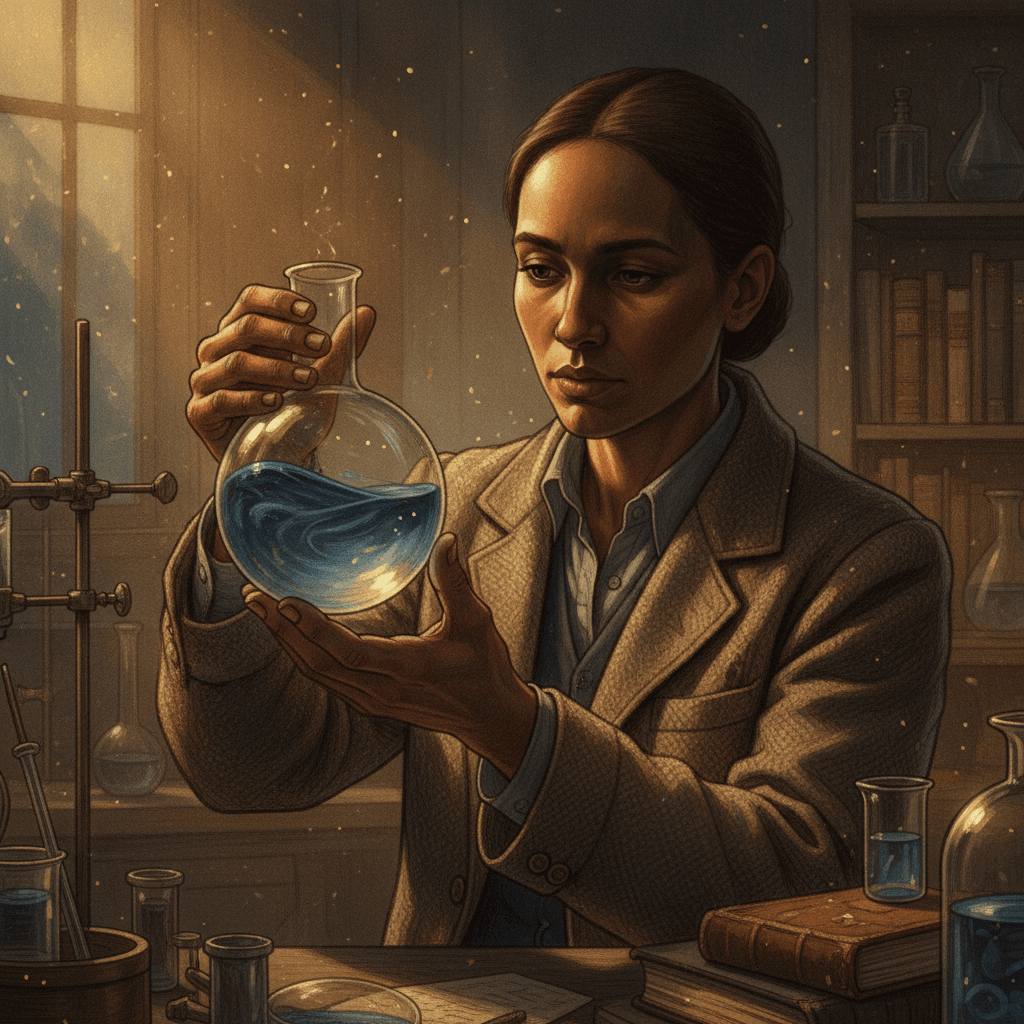
The idea that a common plant could clean up our planet's toughest industrial messes might sound like something out of a science fiction novel, but it’s rapidly moving from labs to real-world applications. Scientists are now using extracts from plants like the Stachytarpheta jamaicensis, also known as blue porterweed, to create tiny powerhouses called nanoparticles that are incredibly good at gobbling up pollution. These aren't just any tiny particles; they are special metal oxide nanoparticles, like microscopic magnets for muck, designed to break down harmful dyes and kill dangerous bacteria in water.
This method isn't some far-off dream. Researchers have developed lanthanum oxide nanoparticles using a "green" approach – meaning they skipped the harsh chemicals and instead used plant leaf extracts. Think of it like a natural chef using herbs to tenderize meat instead of strong chemical marinades. This approach means the nanoparticles themselves are less likely to leave behind their own toxic footprint, a common issue with traditional chemical production.
Tiny Particles Are Eating Pollution and Killing Germs
So, how do these tiny plant-powered particles actually work? They function like microscopic garbage disposals. When exposed to sunlight, these lanthanum oxide nanoparticles become highly active. They create what scientists call "radical species," which are incredibly reactive molecules – imagine tiny, super-energetic sponges that soak up and break down pollutants. In experiments, these nanoparticles, even at small concentrations (0.5 milligrams per milliliter), effectively degraded common industrial dyes like methylene blue and Congo red by over 93% under simple solar light. That’s like taking nearly all the color out of a stained T-shirt just by leaving it in the sun with a sprinkle of magic dust.
What's more, these nanoparticles aren't just pollution eaters; they're also germ destroyers. They've shown a strong ability to fight off common and often nasty bacteria such as Escherichia coli, Pseudomonas aeruginosa, Bacillus subtilis, and Staphylococcus aureus. This means they could play a dual role in keeping water supplies safe, not just making them clearer. Think about that: a single, naturally produced material that can both clean up chemical waste and tackle disease-causing microbes.

Why "Green" Production Matters for Cleaner Water
The traditional ways of making nanoparticles often involve high temperatures, harsh solvents, and a lot of energy. This new "green synthesis" flips that script. It uses readily available plant material, which acts as a natural reducing agent (like a chemical de-stresser) and a stabilizing agent (like a molecular glue). This process is much safer, more sustainable, and cheaper to scale up. It's similar to how a traditional baker uses yeast to make bread rise, rather than a chemical leavening agent made in a factory. This makes the entire lifecycle, from production to application, far more eco-friendly.
The structure of these nanoparticles is also key to their performance. Using tools like X-ray Diffraction (XRD), scientists confirmed these particles have a crystalline structure, with an average size of about 38.5 nanometers. To give you an idea, a human hair is about 80,000 nanometers thick, so these are incredibly small – roughly 2,000 times smaller than the width of a hair! This tiny size gives them a huge surface area, making them highly efficient at interacting with pollutants. Researchers from studies like this one, published in the journal Scientific Reports in 2023, are demonstrating the practical power of these microscopic cleaners.
Bringing Plant-Powered Clean-Up to Your World
This isn't just about cleaning industrial wastewater. Imagine these nanoparticles being integrated into water filtration systems for homes or even helping to purify ponds and rivers in rural areas. The fact that they're activated by solar light means they don't need expensive electricity or complex infrastructure. You might even see them in future self-cleaning surfaces or antimicrobial coatings.
What's holding them back? Primarily scaling up production and ensuring long-term stability and reusability. While the basic science is proven, moving from lab batches to industrial quantities requires more engineering. However, if pilot projects continue to show success, you could see these plant-derived water cleaners becoming common within the next 5-10 years, dramatically improving the quality of drinking water and reducing industrial pollution worldwide. It’s a quiet revolution, powered by nature’s own chemistry, poised to make our water cleaner, naturally.
What Your Water Could Gain From This
This isn't about replacing all existing water treatment. Instead, it offers a powerful, complementary tool, especially for remote areas or for tackling specific types of hard-to-remove pollutants. Think of it as adding a powerful, natural sponge to your cleaning arsenal. For instance, the degradation of dyes and bacteria means fewer toxins and pathogens end up in our rivers and oceans, protecting both aquatic life and human health. This could also mean that industries that currently produce highly colored or bacteriologically contaminated wastewater could treat it more effectively and sustainably before discharge.
This exciting development showcases how simple natural resources, when understood and leveraged through advanced material science, can offer elegant solutions to complex environmental challenges. The idea that a common plant could provide the raw materials for a cleaner, healthier world is a powerful reminder of nature's hidden potential.
Key Takeaways
- Plant extracts are being used to create nanoparticles that can break down industrial pollutants and kill harmful bacteria in water.
- This "green synthesis" method is safer, more sustainable, and cheaper than traditional chemical production of nanoparticles.
- The technology, activated by sunlight, offers a natural, energy-efficient way to clean wastewater and could be widely adopted in 5-10 years.
Frequently Asked Questions
What are green-synthesized nanoparticles? These are tiny particles made using natural ingredients like plant extracts instead of harsh chemicals. The plant materials act as natural helpers to form and stabilize the nanoparticles, making the process safer and more eco-friendly.
How do these nanoparticles clean water? When exposed to sunlight, these tiny particles create highly reactive molecules that break down pollutants like industrial dyes. They also directly attack and kill harmful bacteria, effectively purifying the water naturally.
When could this technology be widely used? While the science is promising, scaling up production from labs to industrial levels will take time. If current research and pilot programs continue successfully, we could see these plant-powered cleaners in widespread use within 5 to 10 years.
Editorial note: The scientific findings presented in this article are sourced exclusively from published research papers, peer-reviewed studies, certified inventions, and registered patent filings. Images generated by AI.
New guides and tools
Hands-on Claude guides, straight to your inbox
Step-by-step walkthroughs of what's new in Claude and Anthropic's tools, with real screenshots and honest results, including what didn't work. No hype, no jargon, no noise.
By subscribing, you agree to receive newsletter and marketing emails, and accept our Terms of Use and Privacy Policy. You can unsubscribe anytime.
Zhang Wei
Battery materials journalist covering the chemistry behind the electric revolution — and why the next decade of progress depends on what's inside the cell, not outside it.