The Secret Material Protecting Future Power
The extreme conditions inside a fusion reactor can melt most materials, making sustained energy production a huge challenge. Learn how a special tungsten composite could unlock clean power for generations.
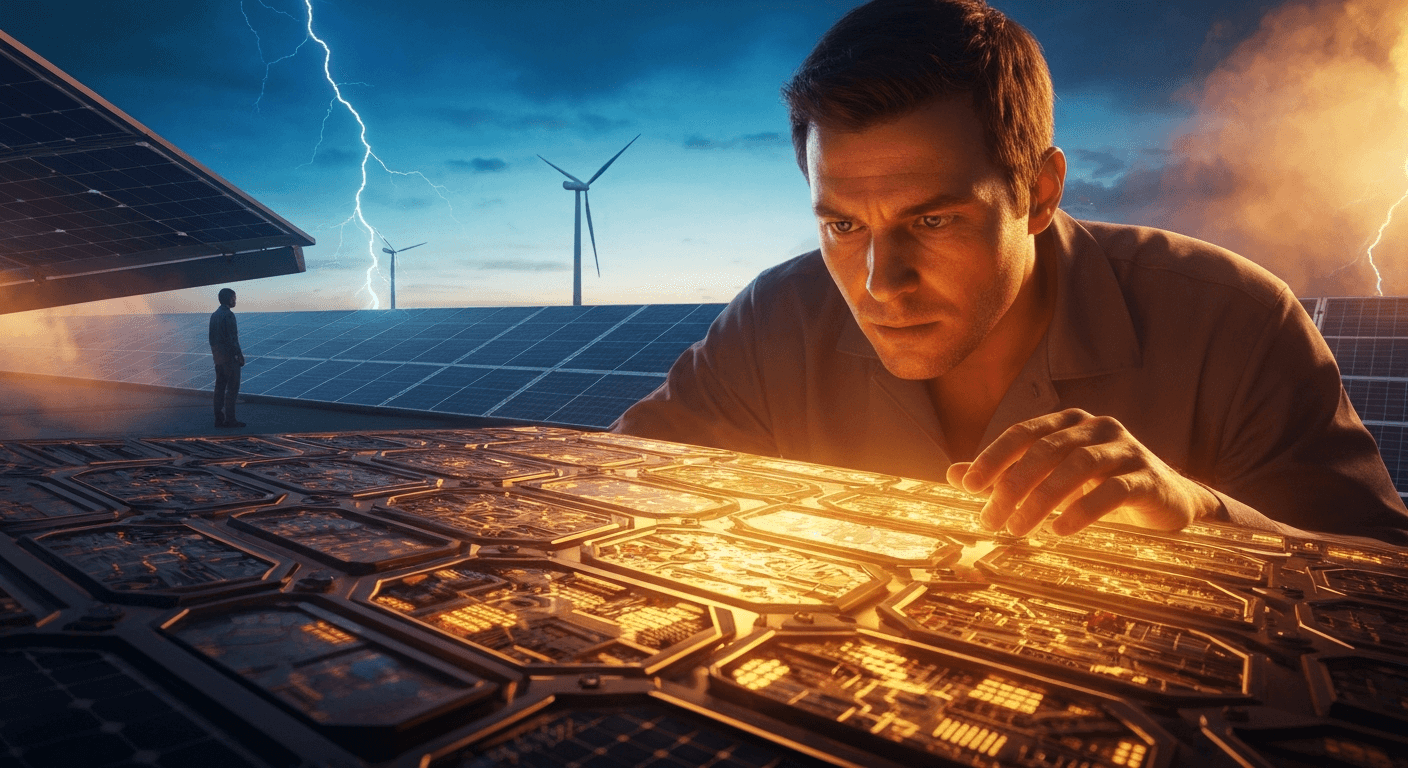
Have you ever tried to hold boiling water in a paper cup? It simply won't work, right? That’s exactly the kind of challenge engineers face when building the heart of a nuclear fusion reactor – a place where temperatures soar beyond the surface of the sun. This super-hot, super-dense gas, called plasma, needs to be contained, and the materials touching it need to survive incredible stress. Right now, conventional materials just can't handle it for long, leading to frequent shutdowns and making stable, clean energy seem far off.
The biggest hurdle is something called plasma-facing components. These are the parts that directly interact with the searing plasma, absorbing its intense heat and energetic particles. Imagine constantly bombarding a metal with tiny, fast-moving bullets while also trying to cook it at millions of degrees. The current go-to material, tungsten, is tough, but it still breaks down over time, becoming brittle and susceptible to damage from hydrogen isotopes like helium, which can cause bubbles to form within its structure like tiny weak points. This limits the lifespan of critical reactor parts like the "diverter," which channels excess heat and particles away, and the "first wall," which is the inner lining of the reactor chamber.
How a Surprising Addition Makes Tungsten Tougher
The answer lies in reinforcing tungsten with an incredibly strong, super-thin material: graphene. Think of graphene as a microscopic, super-strong mesh, like adding rebar to concrete to make it much tougher and more crack-resistant. A patent from the European Patent Office describes a new kind of tungsten composite where these graphene structures are scattered throughout the tungsten, both between its individual grains (like the mortar between bricks) and inside them. This ingenious arrangement creates a three-dimensional network that acts like a microscopic bodyguard for the tungsten.
So, how does this work its magic? First, the graphene helps stop helium atoms from clumping together and forming those damaging bubbles we mentioned, which is called "bubble coarsening." It's like having tiny sponges throughout the tungsten that absorb and evenly distribute these atoms, preventing them from causing big weak spots. Second, the graphene provides "recombination sites" for defects caused by radiation. When high-energy particles hit the tungsten, they can knock atoms out of place, creating tiny imperfections, but the graphene acts like a magnet, drawing these displaced atoms back into their proper spots, healing the material from within. This also drastically lowers the "ductile-brittle transition temperature" (DBTT), which is the temperature below which a material becomes fragile and shatters easily, like cold glass. For pure tungsten, this temperature is pretty high, making it brittle at operating temperatures; the graphene makes it much more forgiving.
Building the Super-Tungsten
Creating this composite isn't as simple as just mixing graphene into tungsten powder. The manufacturing process is key and involves several clever steps. One method combines "two-stage temperature increase spark plasma sintering" (SPS) with "CVD in-situ graphene growth." Spark plasma sintering is like using a super-fast, high-pressure oven with electrical pulses to weld powders together, creating a dense material quickly. CVD (Chemical Vapor Deposition) in-situ graphene growth means growing the graphene directly within the tungsten material as it's being formed, rather than trying to add pre-made graphene sheets. Another technique mentioned is "gradient functional layered sintering," which allows for layers with different properties, tailoring the material's strength where it's needed most. These methods ensure the graphene is perfectly integrated, not just loosely scattered.
This advancement significantly improves the inherent weaknesses of pure tungsten: its natural brittleness, its tendency to become fragile after radiation exposure, and damage from helium. By tackling all three issues at once, this composite material can dramatically extend the lifespan of those critical plasma-facing components, pushing us closer to sustainable fusion energy. Imagine a world where our future energy may run on water, powered by reactions similar to those in the sun, with far less radioactive waste than current nuclear power.
What This Means For Our Energy Future
This isn't just about making a stronger metal; it's about making a viable energy future. Fusion power promises clean, virtually limitless energy, but the materials challenge has been a major bottleneck. By increasing the durability of reactor components, we can run fusion reactors for longer periods without needing costly and time-consuming repairs. This reduces maintenance and operating costs, making fusion a much more economically attractive option for large-scale power generation. While commercial fusion reactors are still likely a decade or more away, developments like this are crucial steps on the path to making them a reality, ensuring components can withstand the incredible environments necessary for sustained clean energy production.
For you, this translates to a future powered by an energy source that doesn't rely on burning fossil fuels, dramatically reducing carbon emissions and helping to combat climate change. It means a more stable power grid, less reliance on fluctuating renewable sources alone, and a world where energy security is less of a concern. This material, protecting the heart of future power plants, is a quiet hero in the global quest for a greener, brighter future.
Key Takeaways
- Graphene-enhanced tungsten composites can withstand the extreme heat and radiation inside fusion reactors, overcoming key limitations of pure tungsten.
- The graphene network prevents damaging helium bubble formation and repairs radiation-induced defects, extending the lifespan of critical reactor components.
- This material innovation is crucial for making sustainable, clean fusion energy a practical reality, potentially providing limitless power for the future.
Frequently Asked Questions
What is a plasma-facing component? These are the inner parts of a fusion reactor that directly touch the super-hot plasma, similar to a saucepan holding boiling liquid. They must endure extreme heat and radiation, making material survival very difficult.
How does graphene help tungsten in fusion reactors? Graphene, acting like microscopic rebar, prevents helium bubbles from growing, which cause damage. It also fixes tiny defects caused by radiation, making the tungsten stronger and less brittle under extreme conditions.
When will fusion power be widely available? While significant progress is being made, large-scale commercial fusion power is still an estimated 10-20 years away. Materials like this graphene-tungsten composite are essential for making those future reactors practical.
Editorial note: The scientific findings presented in this article are sourced exclusively from published research papers, peer-reviewed studies, certified inventions, and registered patent filings. Images generated by AI.
Stay ahead of the curve
The science that shapes tomorrow — in your inbox every week
The scientific findings presented in our articles are sourced from published research papers, peer-reviewed studies, certified inventions, and registered patent filings. Subscribe for focused weekly coverage, hands-on explainers, and practical insights that help you stay curious — no jargon, no noise.
By subscribing, you agree to receive newsletter and marketing emails, and accept our Terms of Use and Privacy Policy. You can unsubscribe anytime.
Offshore Wind, Ocean Energy & Nordic Green
Nordic climate journalist covering the energy innovations emerging from the world's most ambitious green economies.
View full profile →