Your Phone Battery Will Finally Last for Days
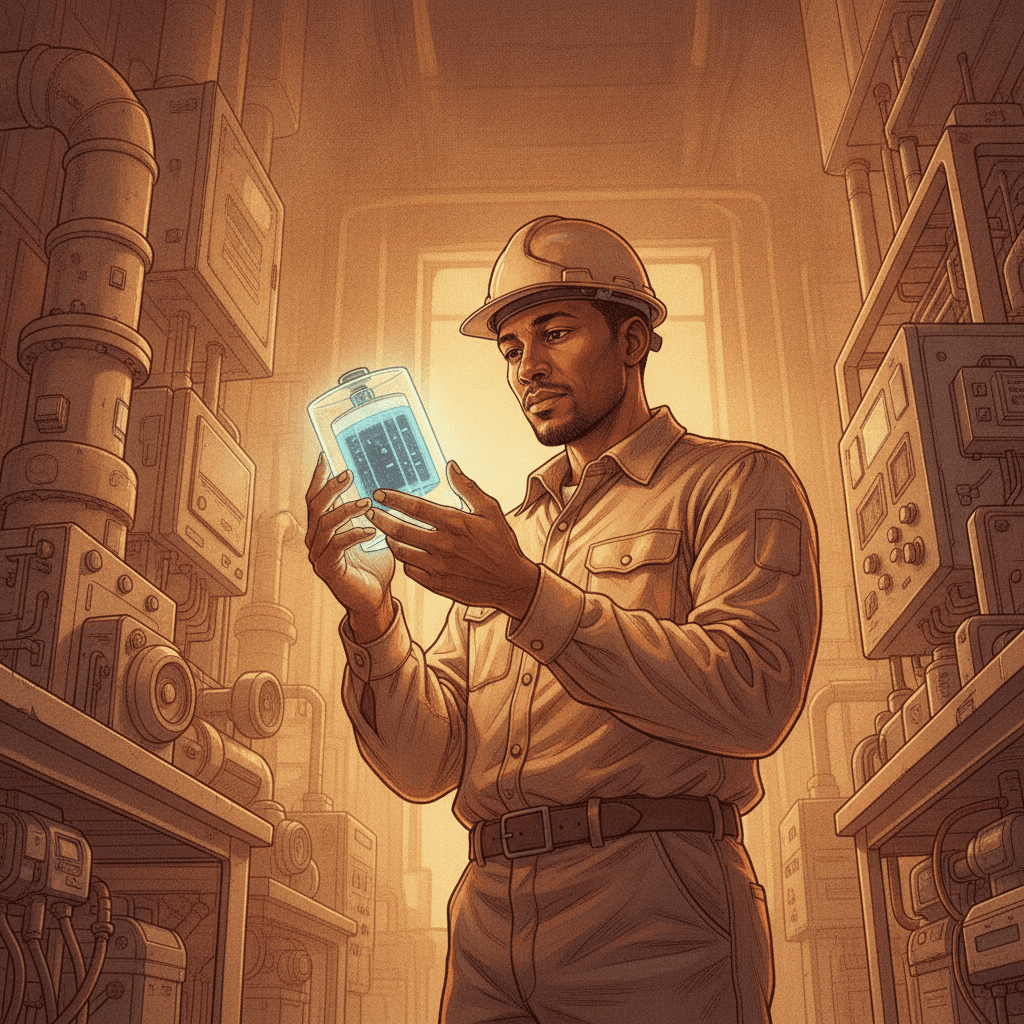
Imagine your phone or electric car running for days on a single charge, without a massive, heavy battery. Scientists are making solid-state batteries a reality, promising safer, longer-lasting power.
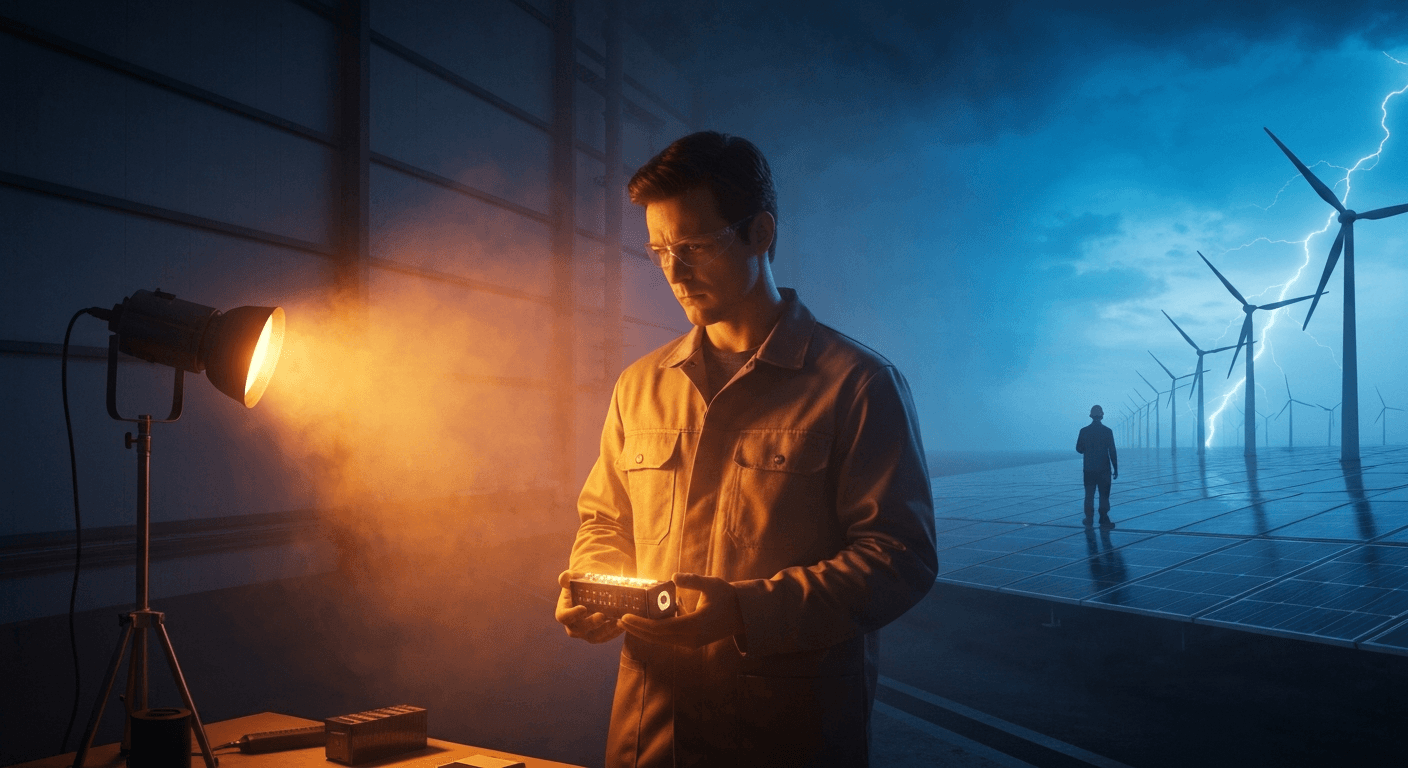
Your phone battery feels like it's constantly draining, and your electric car needs frequent stops. This frustration stems from how today's batteries work, relying on liquid chemicals that can be unstable and limit how much power they can store. But what if you could swap out those sloshing liquids for something solid, like a tiny brick of super-dense energy?
This isn't a distant dream anymore; it's happening in labs right now. Companies like Samsung and Toyota are sinking serious money into making solid-state batteries a reality, pushing towards a future where your devices and vehicles run longer and safer. Researchers at Samsung have already unveiled prototypes that could extend electric vehicle range to over 500 miles on a single charge, with a battery pack half the size of current ones.
The Problem With Today's Batteries
Current batteries, like the lithium-ion ones in your phone, use a liquid electrolyte. Think of this electrolyte as the busy highway that lithium ions – tiny charged particles – travel along to create electricity. This liquid is flammable, which is why you sometimes hear about batteries overheating or, in rare cases, catching fire. It also degrades over time, which means your phone battery holds less charge the older it gets.
But the biggest issue is that this liquid highway limits how many ions can flow, and thus how much energy can be stored. It’s like a narrow road causing traffic jams, no matter how many cars you have. For years, scientists have tried to replace this liquid with a solid material that could pack more energy and be much safer.
How a Solid Block Stores More Power
Solid-state batteries replace that liquid highway with a solid one, often made of special ceramics or polymers. Imagine your old liquid electrolyte highway being replaced by a super-efficient, multi-lane maglev train track made of a durable, unmoving material. This solid material allows for much denser packaging of energy, because you can use a lithium metal anode – one side of the battery – which can hold far more lithium ions than the graphite used in liquid batteries. More ions mean more energy stored in the same space.
This switch from liquid to solid makes the battery fundamentally safer, too. There's no flammable liquid to leak or catch fire, reducing the risks we sometimes see with current battery technology. It also allows for faster charging and a much longer lifespan, meaning your phone or car battery won't degrade as quickly.
What's Holding Them Back?
The main challenge for solid-state batteries has been making them work reliably and affordably. Getting the solid electrolyte to play nicely with the other parts of the battery – the cathode (the positive terminal) and the anode (the negative terminal) – is tricky. It's like trying to perfectly bond three different types of brick together in a wall, ensuring no gaps or cracks appear over time. If there are imperfections, the battery won't work efficiently or will break down quickly.
A new patent from Samsung SDI describes a specific composition for the cathode material and how it interacts with a sulfide-based solid electrolyte, which is particularly good at moving ions. They’re even using halogenated alkane compounds, a type of chemical, to help form these layers better, ensuring the components stick together without degrading. This level of detail in chemistry is crucial for building a durable battery. (/article/your-computer-finally-designs-real-materials)
When Will You See Them?
This technology isn't years away from reaching you. In 2024, Solid Power, a company partnered with BMW and Ford, announced plans to deliver solid-state battery cells for vehicle testing by early 2025. BMW aims to have vehicles using solid-state batteries on the road by the end of the decade. While the first wave will likely appear in specialized, higher-end electric vehicles, the technology will trickle down to consumer electronics like your phone within the next 10 years, potentially by 2035.
Imagine your phone battery lasting three or four days on a single charge, or your electric car driving from New York to Chicago without needing to plug in. That's the future solid-state batteries promise. They represent not just an improvement, but a fundamental shift in how we power our lives, making our devices and vehicles safer, more efficient, and much more convenient. (/article/your-next-battery-might-recharge-much-faster)
The Surprising Chemistry Making This Possible
One surprising fact is how much the preparation method matters. The patent details using specific solvents, like C1-C20 alkane compounds with halogen atoms, to help create these layers. This isn't just about mixing ingredients; it's about a delicate chemical dance to ensure the solid components bond perfectly. The tiny interactions at these material boundaries are what allow or prevent the ions from flowing freely, much like the enzyme that breaks down plastic relies on a precise molecular structure.
This meticulous chemical engineering is what turns a theoretical concept into a practical energy solution. It's a bit like a chef who knows exactly how to combine ingredients and cook them at the perfect temperature to get a dish that's not just edible, but delicious and structurally sound. Every detail, from the exact compounds used to the temperature during formation, influences the final battery's performance and safety.

Key Takeaways
- Solid-state batteries replace flammable liquid electrolytes with solid materials, drastically improving safety and energy density.
- This technology promises phones that last for days and electric cars with significantly extended ranges on a single charge.
- The primary challenge is perfecting the manufacturing process to ensure reliability and affordability, with widespread adoption expected within 5-10 years.
Frequently Asked Questions
What is a solid-state battery? A solid-state battery uses a solid material, like ceramic, instead of a flammable liquid to move energy, making it safer and able to store more power than current lithium-ion batteries.
How do solid-state batteries improve safety? By eliminating the liquid electrolyte, solid-state batteries remove the primary source of flammability and overheating risks, making them inherently safer for devices and electric vehicles.
When can I expect solid-state batteries in my devices? While electric vehicles might see them by 2030, you can likely expect solid-state batteries in consumer electronics like phones and laptops within the next decade, possibly by 2035.
Editorial note: The scientific findings presented in this article are sourced exclusively from published research papers, peer-reviewed studies, certified inventions, and registered patent filings. Images generated by AI.
Stay ahead of the curve
The science that shapes tomorrow — in your inbox every week
The scientific findings presented in our articles are sourced from published research papers, peer-reviewed studies, certified inventions, and registered patent filings. Subscribe for focused weekly coverage, hands-on explainers, and practical insights that help you stay curious — no jargon, no noise.
By subscribing, you agree to receive newsletter and marketing emails, and accept our Terms of Use and Privacy Policy. You can unsubscribe anytime.
Offshore Wind, Ocean Energy & Nordic Green
Nordic climate journalist covering the energy innovations emerging from the world's most ambitious green economies.
View full profile →