Your Cells Fall Apart As You Age
Ever wonder why your body just doesn't bounce back like it used to? New science reveals a hidden cellular collapse that explains exactly how aging takes its toll. Understand the real mechanics behind getting older and what it might mean for a longer, healthier life.

You know that feeling when your favorite old sweater starts unraveling, threads coming loose, losing its shape? What if your very cells do something similar as you age, but in a way we've only just begun to truly understand? New research is lifting the veil on precisely how your cellular machinery starts to come undone, not just that it does. This isn't just about wrinkles or tired joints; it's about the microscopic chaos that sparks all those familiar signs of aging.
Scientists are now mapping the subtle dance of your cellular components with unprecedented detail, showing that aging isn't just about things breaking; it's about things getting lost and ending up in the wrong place at the wrong time. They’ve found that the fundamental processes of aging, once thought to be separate issues, are deeply interconnected by proteins literally wandering off where they shouldn't be. This crucial insight, highlighted in a recent preprint on bioRxiv, could completely change how we think about combating age-related decline.
Finding the Hidden Unraveling Inside Your Cells
To understand how aging works at its most basic level, researchers needed to become cellular detectives. They used a technique called single-cell spatial proteomics, which is like having a high-definition GPS tracker and ID scanner for every single worker (protein) in every single office (organelle) of a cell. This isn't just seeing what proteins are there, but exactly where they are located, how many there are, and what they’re doing in real-time, all within individual cells. It’s an incredibly precise way to see the cellular city’s bustling activity and pinpoint exactly when and where chaos begins.
This deep dive allowed them to look at the "hallmarks of aging"—the common cellular issues that accumulate as you get older. Think of these as the major problems that cause your body to slowly wear down. These include things like genomic instability, where your DNA (your cell’s instruction manual) starts getting damaged; epigenetic alterations, which are changes to the "on/off" switches for your genes; and mitochondrial dysfunction, meaning the power plants of your cells start to sputter. Previously, we understood these problems, but their deep connections remained a mystery.
Why Your Cell's "Departments" Start to Fail Each Other
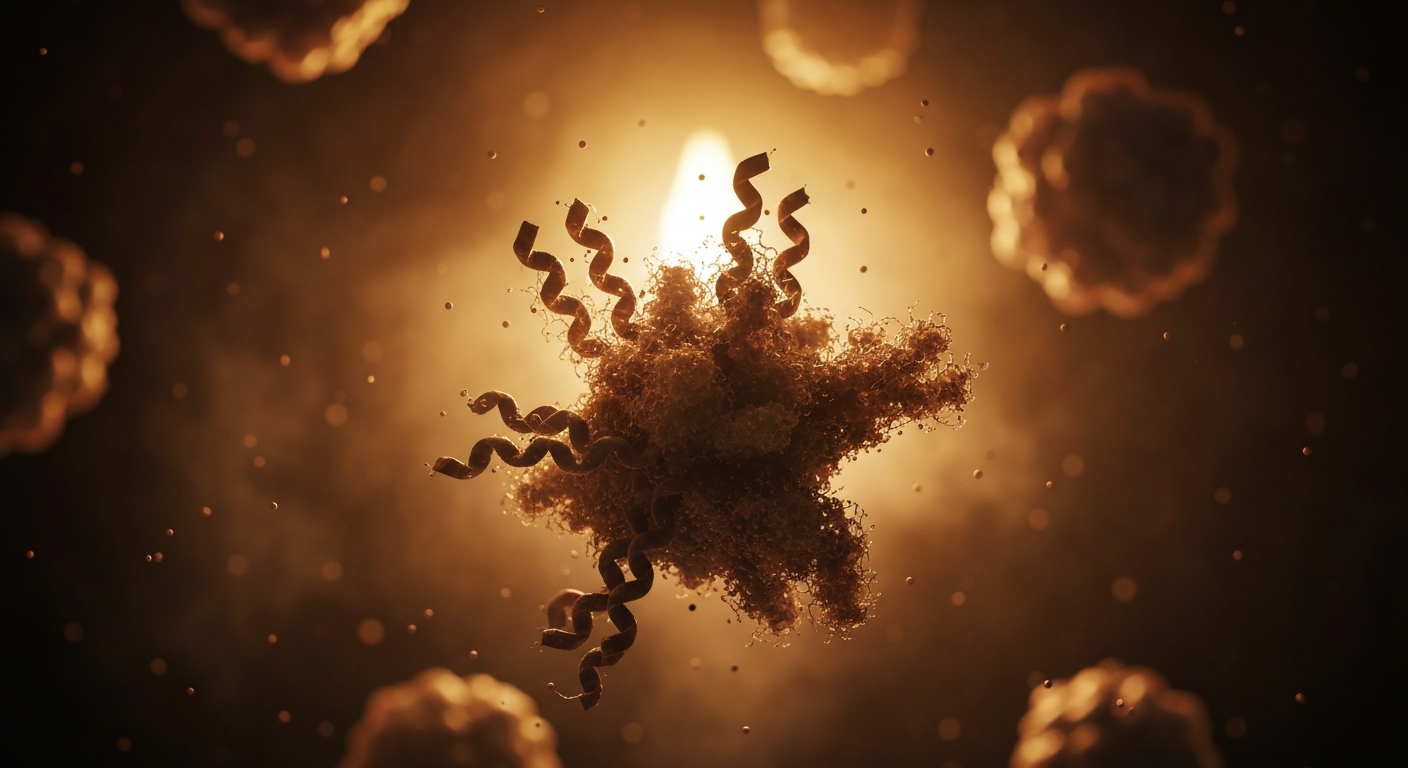
What the researchers discovered is genuinely surprising and sheds light on the actual process of cellular aging. They found that these hallmark problems often show up as a "compartment-specific erosion of spatial confinement." Imagine each cell department, like the factory floor for making proteins or the energy production plant, having strict boundaries. As cells age, these boundaries start to blur. It’s like employees from the accounting department suddenly showing up on the manufacturing floor, or materials for one job getting mixed up with another. This leads to proteins being in the wrong places, clumping together, or simply not performing their designated jobs.
For instance, your cells have a tiny structure called the nucleolus, which acts like a small factory responsible for building ribosomes—the cell’s protein-making machines. The study revealed that disorganization here, combined with problems in proteostasis (your cell’s system for managing protein quality, like a careful librarian for all the protein workers), and mitochondrial dysfunction (those failing power plants) are among the earliest failures. They don't just happen randomly; these specific breakdowns seem to kick off a domino effect, leading to other aging hallmarks. It’s not just that things break down; it's where they break down and how those local failures then spread to disrupt the entire cellular network.
The Microscopic Clues That Connect Yeast to You
The exciting part? The initial research was done in yeast cells, which might sound far removed from humans. But it turns out that yeast, despite being a simple organism, shares many fundamental biological processes with us. In a truly compelling finding, the study reports that a remarkable 91.6% of the yeast proteins linked to these aging hallmarks also have direct counterparts, or "orthologs," in humans. Even more importantly, these human versions of the proteins also show changes during human aging. This means the cellular unraveling observed in yeast likely mirrors what's happening inside your own body right now.
This discovery gives us a much clearer map of aging, identifying specific proteins and cellular locations where things first go wrong. Instead of seeing aging as a vague decline, we can now point to particular areas in the cell where molecular connections link different age-related problems. It’s like discovering that a single faulty circuit board in a complex machine is actually causing multiple seemingly unrelated issues. This detailed understanding helps scientists figure out exactly what to target.
What This Means for Your Future Health and Longevity
Right now, this research is foundational—it’s about deeply understanding the "how." Think of it as mapping the intricate highways and byways of a city before you can design a better traffic system. But this level of detail offers incredible promise for the future. Researchers and pharmaceutical companies will use this new "aging blueprint" to develop therapies that don’t just treat the symptoms of aging, but actively intervene in the molecular root causes of cellular breakdown.
We’re talking about potential treatments that could stabilize proteins, ensuring they stay in their proper places, or enhance your cell’s ability to clean up misfolded ones. Imagine therapies that specifically target the early disorganization of your nucleolus or bolster your mitochondrial function before major problems arise. This isn't something you'll find on pharmacy shelves next year; translating these complex molecular insights into safe and effective human therapies will likely take a decade or more of rigorous research and clinical trials. However, the path forward is clearer than ever.
The ultimate goal isn't just to extend your lifespan, but to significantly improve your "healthspan"—the number of years you live in good health, free from chronic diseases. By understanding how your cells lose their structural integrity and how aging hallmarks connect, we could eventually develop personalized strategies to keep your cellular machinery running smoothly for much longer. Imagine a future where your cells—like that favorite sweater—stay woven together and functional, helping you enjoy a longer, more vibrant life.
Key Takeaways
- Aging isn't just about things breaking down; it's fundamentally about proteins getting lost or aggregating in the wrong places within your cells.
- The disorganization of protein-making factories (nucleolus), protein management (proteostasis), and cellular power plants (mitochondria) are early and critical triggers for the broader aging process.
- This detailed understanding, backed by evidence in both yeast and human cells, opens the door to developing highly targeted therapies that aim to prevent cellular breakdown and extend healthy lifespan.
Frequently Asked Questions
What are the "hallmarks of aging"? These are the fundamental cellular and molecular processes that contribute to aging, like DNA damage, epigenetic changes, protein mismanagement, and failing cellular power plants (mitochondria). They explain why your body gets older.
How does this new research change our understanding of aging? It shows that these aging hallmarks aren't isolated problems. Instead, they are deeply connected by proteins that get misplaced or aggregate within specific cell compartments, revealing a hierarchical sequence of cellular failures.
Could this lead to new anti-aging treatments? Yes, this detailed map of cellular breakdown provides new, specific targets for therapies. Instead of just treating aging symptoms, future treatments could focus on preventing proteins from misbehaving and restoring cellular organization, leading to healthier aging.
Editorial note: The scientific findings presented in this article are sourced exclusively from published research papers, peer-reviewed studies, certified inventions, and registered patent filings. Images generated by AI.
Stay ahead of the curve
The science that shapes tomorrow — in your inbox every week
The scientific findings presented in our articles are sourced from published research papers, peer-reviewed studies, certified inventions, and registered patent filings. Subscribe for focused weekly coverage, hands-on explainers, and practical insights that help you stay curious — no jargon, no noise.
By subscribing, you agree to receive newsletter and marketing emails, and accept our Terms of Use and Privacy Policy. You can unsubscribe anytime.
Health & Biomedical Innovation
Science journalist and former biomedical researcher covering the frontiers of medicine.
View full profile →