You Vape. But Can You See What It's Doing Inside Your Lungs?
Everywhere you look, someone's exhaling a cloud of vapor, often believing it's a harmless alternative. But what if there was a way to truly see the hidden effects on your body, long before symptoms even start?
I’ve walked past countless vape shops and seen the sleek devices in the hands of people from all walks of life. I’ve heard the arguments: "It's just water vapor," "It's safer than cigarettes," "It helps me quit." For years, the conversation around vaping has felt like a massive experiment where you're the participant, and the results are still rolling in.
It's a strange kind of uncertainty, isn't it? We put something into our bodies, convinced by marketing or anecdote, yet the full scientific picture remains blurry. We know traditional cigarettes cause visible damage, but what about the newer, shinier gadgets?
The real problem lies in a simple fact: your lungs are incredibly resilient and slow to complain. You could be introducing chemicals, heat, and particles into them daily, and they won't necessarily send up a red flag until significant damage has accumulated. Think of it like a car engine slowly corroding; you don't hear a knock until it's a much bigger issue.
This delay makes it incredibly difficult for doctors and researchers to track the early signs of potential harm. When someone finally feels sick, the damage might already be extensive. We're often left trying to reverse course rather than prevent the problem from ever taking root. That's why traditional studies, which wait for symptoms, always feel a step behind.
So, how do you get ahead of a problem that hides so well? How do you peer inside the human body to catch these subtle changes before they become serious health threats?
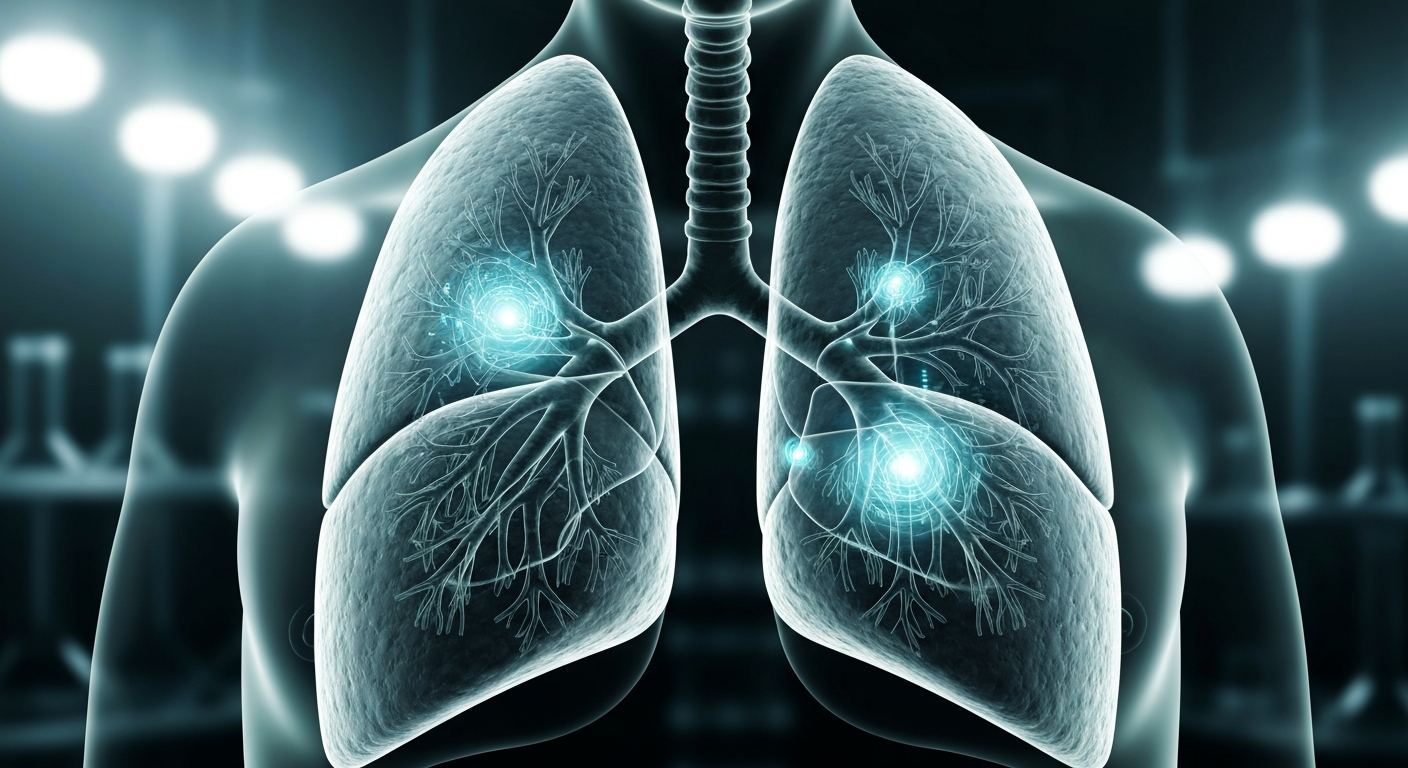
This is where a different kind of investigation comes into play—one that uses advanced imaging techniques to essentially give scientists X-ray vision into your lungs. It's like taking a high-definition photograph of the inside of your body, looking for the faintest flickers of trouble. Researchers are turning to tools like pulmonary imaging to uncover exactly what happens within the delicate structures of your lungs when you vape.
Taking a Closer Look: Imaging Your Lungs
You’ve probably had an X-ray for a broken bone or seen a picture of a brain scan. Pulmonary imaging works on the same principle, but with far greater detail, focused specifically on the lungs. Instead of just seeing if a bone is snapped, these techniques can reveal subtle changes in lung tissue, blood vessels, and even the tiny air sacs where oxygen exchange happens. It’s like moving from a blurry photograph to a crystal-clear, microscopic view.
These aren't just one-off pictures; they can involve various methods. Think of it as having different lenses for a camera. Some imaging, like a CT scan, uses X-rays from multiple angles to create a detailed 3D map of your lungs, highlighting density changes that could indicate inflammation or scarring. Others, like MRI, use magnetic fields and radio waves to create detailed images of soft tissues, revealing things X-rays might miss.
The goal isn't just to see if something is visibly wrong, like a collapsed lung. It's to detect the early, microscopic alterations that could be precursors to bigger problems. Are the delicate walls of your air sacs thickening? Are tiny blood vessels showing signs of stress? Is there fluid where there shouldn't be? These are the kinds of questions imaging can start to answer.
What Imaging Reveals About Vaping's Hidden Impact
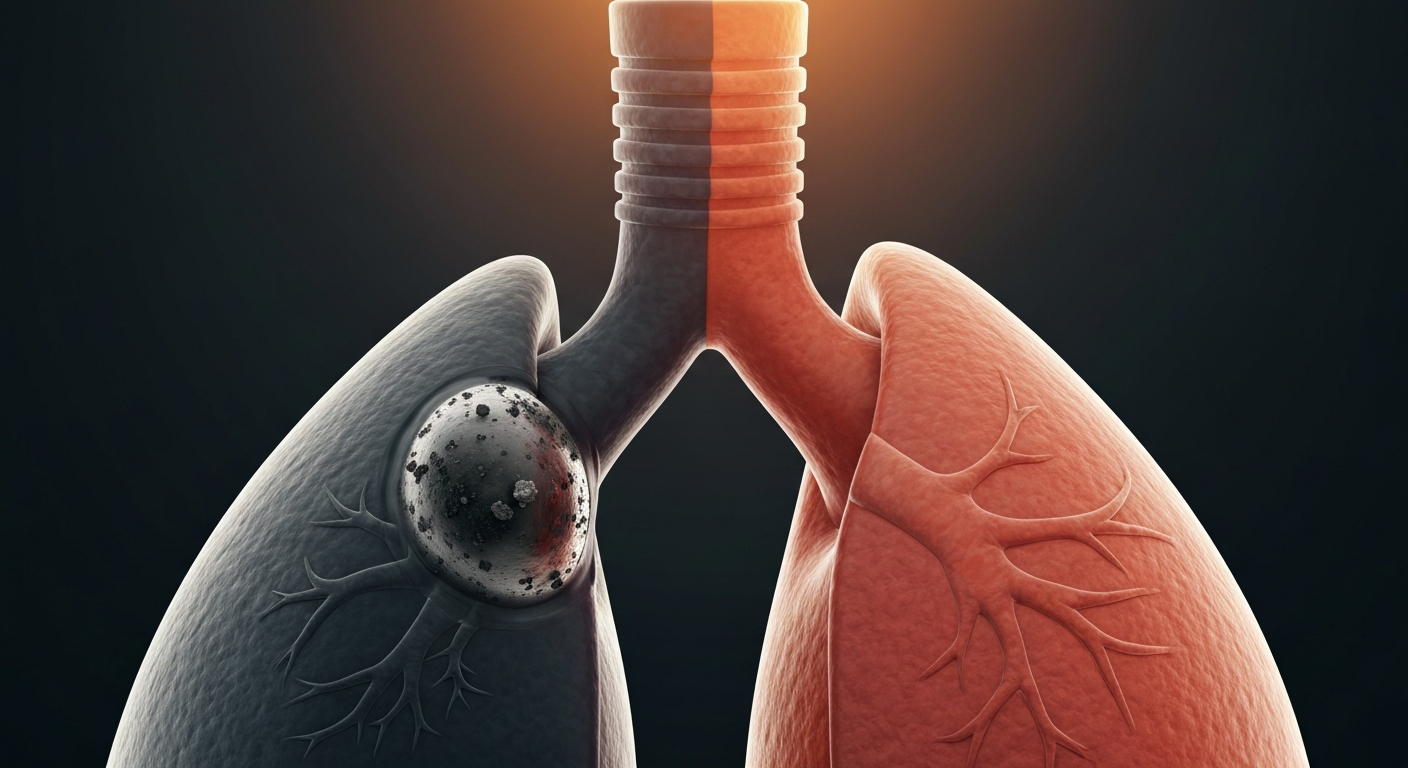
This is where the power of this approach truly shines. Researchers are using these sophisticated images to create a baseline of healthy lungs, then comparing them to the lungs of people who vape regularly. They are looking for patterns, for "signatures" of vaping’s impact that might not be obvious to the naked eye, or even through routine check-ups. It's like crime scene investigation, but for your respiratory system.
For example, imagine your lungs as a sponge. When healthy, it's soft, porous, and expands easily. Some early research using imaging has shown subtle changes in lung texture and elasticity in vapers – almost as if the sponge is becoming stiffer or developing tiny, imperceptible blockages. These changes might not cause immediate shortness of breath, but they could signal a reduced capacity over time, making you more vulnerable to infections or other lung conditions.
One surprising fact many don't realize is that some vape liquids contain chemicals like diacetyl, which has been linked to "popcorn lung" (bronchiolitis obliterans) in factory workers. Imaging studies can potentially detect early indicators of this kind of irreversible scarring, long before you start coughing or struggling to breathe. It’s about catching the smoke signal before the whole building is ablaze.
The Reality Check and What It Means for You
It's important to remember that this field of research is constantly evolving. We're still in the process of gathering comprehensive long-term data. Unlike traditional cigarettes, which have decades of research behind them, vaping is relatively new, and the products themselves are always changing. This means scientists are playing catch-up, and every new study, especially those utilizing advanced imaging, adds another crucial piece to the puzzle.
What does this mean for you, practically? It means that relying on the notion that "no immediate harm is felt, so it must be fine" is a risky bet. Research using pulmonary imaging isn't designed to scare you; it's designed to inform you. It provides concrete, visual evidence of what's happening inside your body, moving beyond speculation and anecdote. This kind of scientific rigor helps public health officials, doctors, and most importantly, you, make more informed decisions about your health.
Ultimately, understanding the subtle structural and functional changes in the lungs caused by vaping, as revealed by imaging, empowers you. It equips you with knowledge beyond just marketing claims or personal feelings. Knowing that scientists are literally looking inside your lungs to understand the full picture helps you decide if that cloud of vapor is truly worth the potential, unseen cost. Your body is a complex system, and having the full picture is the best way to protect it.
Editorial note: The scientific findings presented in this article are sourced exclusively from published research papers, peer-reviewed studies, certified inventions, and registered patent filings. Images generated by AI.
Stay ahead of the curve
The science that shapes tomorrow — in your inbox every week
The scientific findings presented in our articles are sourced from published research papers, peer-reviewed studies, certified inventions, and registered patent filings. Subscribe for focused weekly coverage, hands-on explainers, and practical insights that help you stay curious — no jargon, no noise.
By subscribing, you agree to receive newsletter and marketing emails, and accept our Terms of Use and Privacy Policy. You can unsubscribe anytime.
Health & Biomedical Innovation
Science journalist and former biomedical researcher covering the frontiers of medicine.
View full profile →