How Your Air Quietly Changes Your Body's Age
The air you breathe every day might be silently adding years to your body's biological age, making you feel older faster. Discover how tiny airborne particles impact your cells and what steps you can take to protect your health.
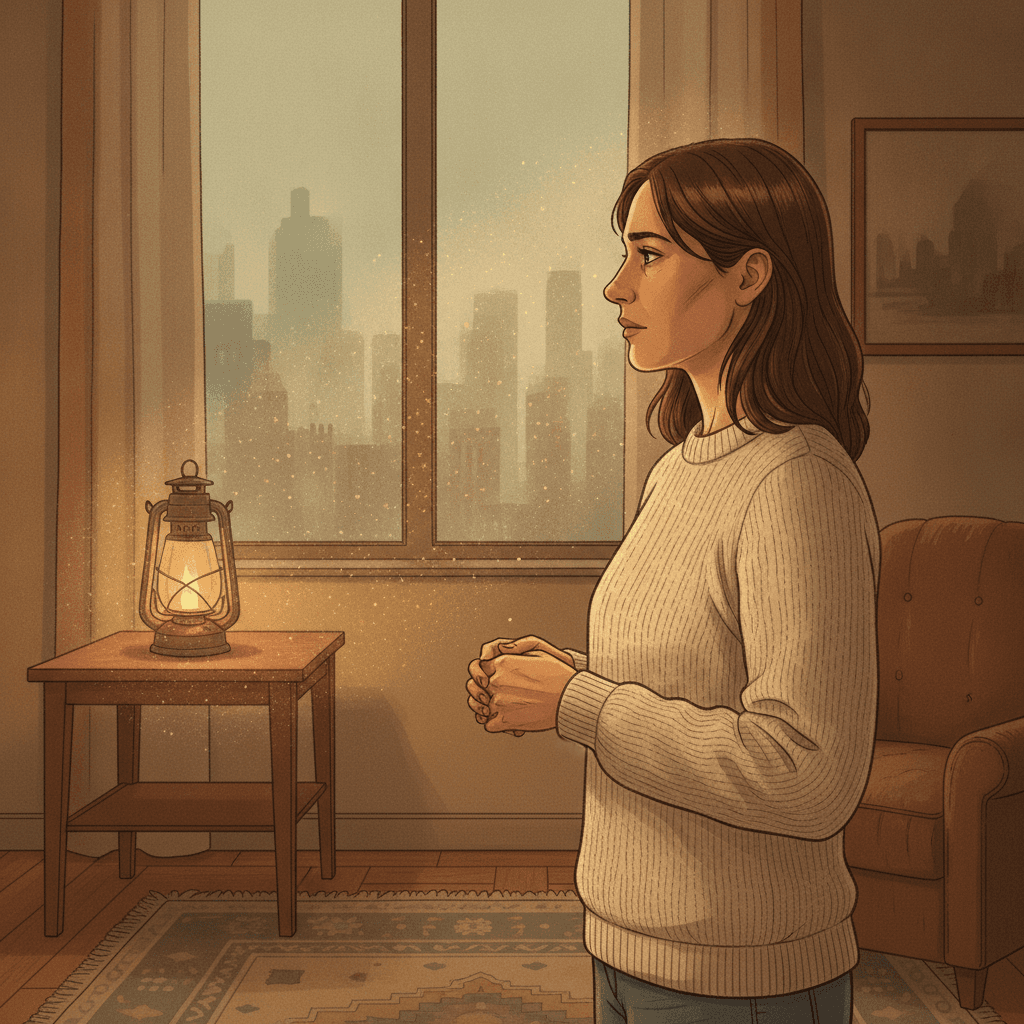
Have you ever felt inexplicably tired, or noticed your body just isn't recovering like it used to, even when you're doing everything "right"? You might assume it's just a normal part of getting older, but what if the very air around you is speeding up that process? It turns out the invisible pollutants swirling through our homes and cities are doing more than just irritating our lungs; they're reaching deep inside our cells, literally pushing the fast-forward button on our biological clock.
This isn't just about feeling a bit under the weather; we're talking about fundamental changes to how your body ages at a cellular level. While scientists have long known air pollution affects specific organs like your heart and lungs, newer evidence shows it's messing with the core processes that dictate how quickly your body wears down. Think of it like a faulty engine lubricant, slowly grinding away at the parts that keep your body running smoothly.
Your Body's Secret Timers Are Being Rushed
The true impact comes down to how these tiny invaders interact with what scientists call the "hallmarks of aging." These are the nine distinct cellular and molecular processes that define how quickly an organism ages. For example, air pollution causes oxidative stress, which is like too much rust building up in a car engine, and chronic inflammation, which is your body's immune system constantly on high alert, causing damage even when there's no immediate threat. It also affects telomeres, which are protective caps on your DNA strands, much like the plastic tips on shoelaces that keep them from fraying; pollution makes these caps wear down faster.
The worst culprits are fine particulate matter, often called PM2.5, and even smaller ultrafine particles (PM0.1). These are minuscule bits, often from traffic exhaust or burning fuels, so small that a single human hair is 30 times wider than a PM2.5 particle. Because they are so tiny, they can bypass your body's natural defenses and travel deep into your lungs, even entering your bloodstream, spreading their damaging effects throughout your system. This silent attack means that even if you don't feel immediate symptoms, the damage accumulates over time, quietly accelerating your body's aging process.
Measuring How Fast Your Body Ages
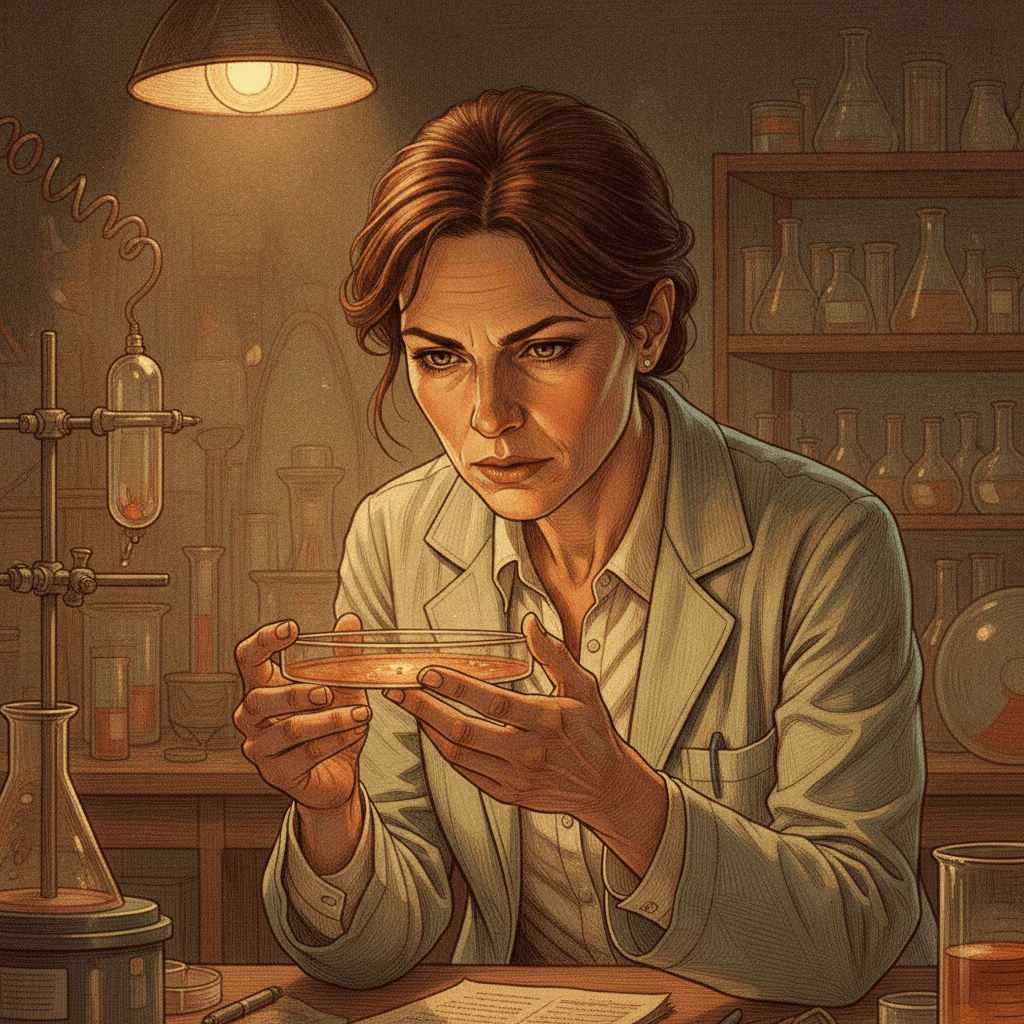
Scientists have a few ways to tell if your body is aging faster than your calendar age. One method looks at epigenetic clocks, which are like a set of biological timers in your DNA, measuring how certain genes turn on or off over time. Another involves tracking telomere length, those shoelace tips we talked about earlier. However, the most consistent and strong links between air pollution and accelerated aging come from something called "system-level composite measures." These combine many different clinical biomarkers, like your blood pressure, cholesterol, and kidney function, to give a comprehensive picture of your overall biological age. These measures, such as the Klemera-Doubal method biological age and PhenoAge, act like a dashboard for your body, showing the cumulative wear and tear.
It's a bit like a car mechanic who doesn't just check the tires, but also the engine, transmission, and electrical system to give you a true assessment of the car's overall health and expected lifespan. Research, including studies cited in PubMed, consistently shows that higher exposure to air pollution directly correlates with older biological ages according to these composite scores. This means your risk for conditions like heart disease, brain disorders, and kidney problems goes up, not just from acute pollution exposure, but from the accelerated aging it causes. You might even find yourself developing a more effective secret shield against hidden sickness if you monitor these systemic markers.
When Protection Matters Most
It turns out certain times in your life are especially vulnerable to air pollution's aging effects. Exposure during prenatal development and early childhood can set your biological aging trajectory for decades to come, meaning what you breathe as a baby can influence how fast you age as an adult. Think of it like planting a tree in poor soil; even if you improve the soil later, the early damage might still affect its growth. This is a surprising fact that many people don't realize – the air quality around you even before you are born can dictate your health outcomes years later.
The good news is that reducing air pollution actually helps reverse some of this damage. Studies show that improving air quality and switching to clean cooking fuels can partially slow down or even reverse the accelerated aging caused by pollution. This isn't a silver bullet, but it highlights the immense public health benefit of cleaner air initiatives. So, if your community improves its air quality, you're not just breathing easier; your cells might literally be aging slower. This suggests that large-scale environmental efforts are perhaps the most equitable way to slow down biological aging for everyone. On a personal level, consider using air purifiers or monitoring local air quality reports, especially if you live in an urban area. Protecting yourself from these invisible threats is a vital step toward a longer, healthier life. Understanding how your body is hiding sickness you can't see is crucial to proactively taking steps for better health.
What Happens Next
While researchers are still exploring the nuances, especially how household air pollution impacts aging in low-income settings, the evidence linking ambient air pollution to accelerated biological aging is robust. We're seeing a growing push for aging-focused endpoints in environmental health studies, meaning regulators might start considering how new policies affect not just immediate health, but also how fast our bodies age. Expect continued improvements in air filtration technologies and urban planning aimed at reducing exposure, potentially extending your healthspan by years. The future health of our communities, and indeed our personal health, depends heavily on the air we choose to breathe.

Key Takeaways
- Air pollution, especially fine particulate matter, directly speeds up your body's biological aging at a cellular level, not just causing organ damage.
- The most vulnerable periods for this accelerated aging are prenatal and early childhood exposures, influencing health trajectories for decades.
- Improving air quality, whether through community efforts or personal purifiers, can actually help slow down or reverse some of these aging effects.
Frequently Asked Questions
What is biological aging? Biological aging refers to the functional decline of your body's cells and tissues over time, which can progress faster or slower than your chronological age. It reflects your body's true physiological health.
How does air pollution speed up aging? Air pollution, particularly fine particles, causes cellular stress like inflammation and DNA damage, which are key hallmarks of aging. These effects accumulate, making your body's systems degrade faster.
Which pollutants are most harmful for aging? Fine particulate matter (PM2.5) and ultrafine particles (PM0.1) are the biggest concerns because their tiny size allows them to penetrate deeply into your body, causing widespread cellular damage.
Can reversing air pollution reverse aging effects? Yes, evidence suggests that improving air quality and using cleaner fuels can partially slow or even reverse some of the accelerated biological aging caused by pollution.
Editorial note: The scientific findings presented in this article are sourced exclusively from published research papers, peer-reviewed studies, certified inventions, and registered patent filings. Images generated by AI.
Stay ahead of the curve
The science that shapes tomorrow — in your inbox every week
The scientific findings presented in our articles are sourced from published research papers, peer-reviewed studies, certified inventions, and registered patent filings. Subscribe for focused weekly coverage, hands-on explainers, and practical insights that help you stay curious — no jargon, no noise.
By subscribing, you agree to receive newsletter and marketing emails, and accept our Terms of Use and Privacy Policy. You can unsubscribe anytime.
Health & Biomedical Innovation
Science journalist and former biomedical researcher covering the frontiers of medicine.
View full profile →