Bacteria That Eat Tumors Are Finally Here
Imagine tiny, living soldiers that hunt down cancer cells in your body. This surprising new approach to cancer treatment is moving from the lab to real human trials, offering a targeted way to fight disease.
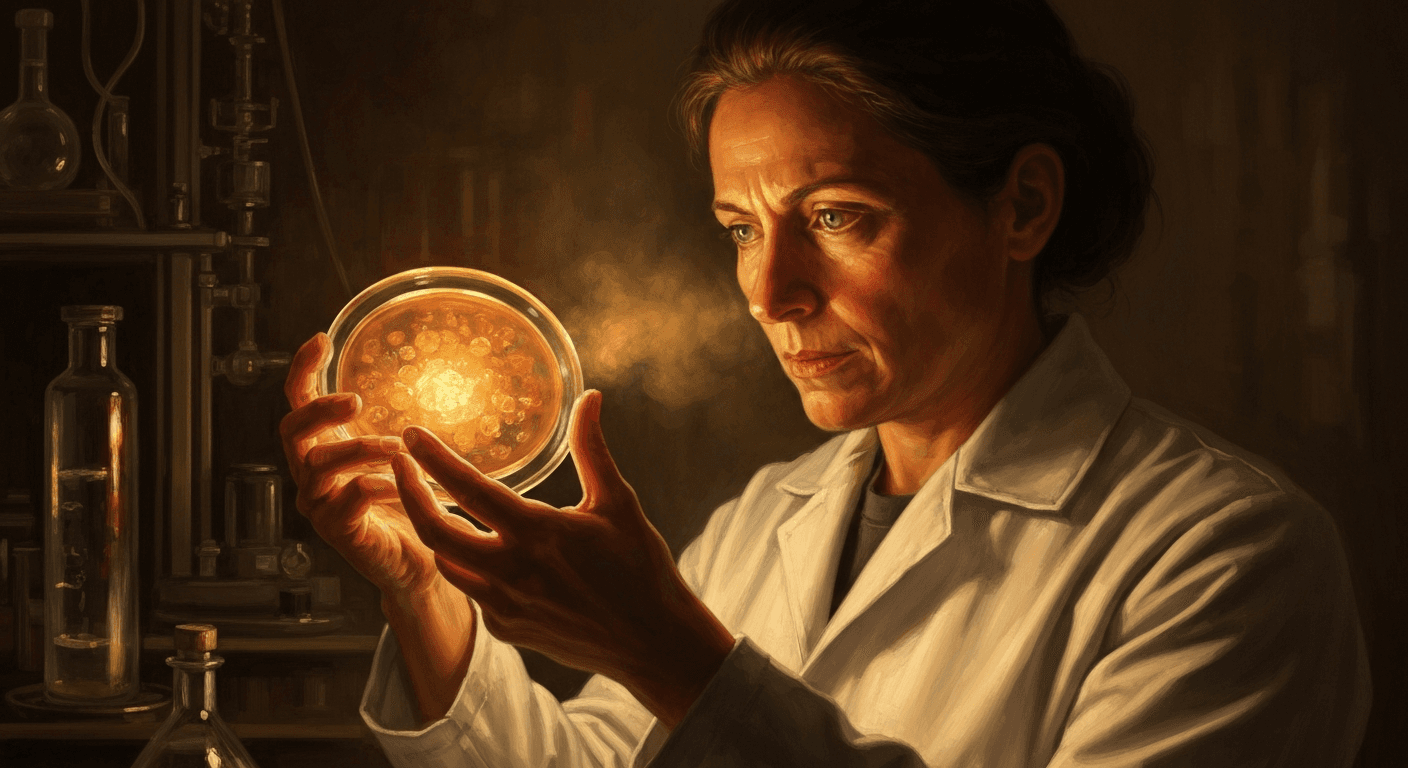
Your body already hosts trillions of tiny life forms, and soon, some of them might be trained to fight cancer. Scientists are now engineering common bacteria, those microscopic organisms that usually live in your gut or soil, to act like precision guided missiles for tumors. This isn't just a lab idea; it's being actively developed, with initial human trials showing promise.
This works by genetically reprogramming bacteria, like giving them a new instruction manual. These modified microbes can then detect the specific chemical signals that only cancer cells put out, much like a bloodhound tracking a scent. Once they find a tumor, they target the areas that conventional treatments, like chemotherapy or radiation, struggle to reach, especially those deep pockets within a tumor that lack oxygen. It's like sending a small, agile team into enemy territory where the big artillery can't go.
Reprogramming Tiny Hunters for Tumors
The core idea is to turn a common microbe into a dedicated tumor fighter. Researchers are using tools like CRISPR/Cas9, a molecular scissors that allows them to edit the bacteria’s genetic code with incredible precision. This is similar to rewriting a single word in a vast encyclopedia to completely change a recipe – they're changing the bacteria's fundamental instructions. This allows the bacteria to produce substances that kill cancer cells, or even convert inactive drugs into active, tumor-destroying compounds right at the tumor site.
What makes this especially compelling is the bacteria's ability to thrive in harsh tumor environments, particularly those low-oxygen regions called hypoxic zones. These zones are often shielded from traditional drugs, allowing cancer to persist. But for these specialized bacteria, it’s home. They essentially seek out and colonize these hard-to-reach areas, acting like tiny, self-replicating drug factories right where they're needed most.
How These Engineered Bacteria Actually Work
So, how do these microscopic warriors do their job? They primarily use four clever strategies. First, they can deliver toxic payloads, like tiny bombs, directly to cancer cells. Second, they can convert "prodrugs" – inactive medicines – into active cancer-killing drugs only when they reach the tumor, minimizing side effects on healthy tissue. Think of it like a remote-controlled detonator that only works at a specific location.
Third, they can stir up your body's own immune system against the tumor, turning hidden cancer cells into a clear target for your immune cells. This is like waving a flag to alert your body’s natural defenses to an intruder. Lastly, some bacteria can even display tumor-specific markers on their surface, essentially tricking the immune system into attacking the cancer. These strategies are all about maximizing impact on the tumor while leaving healthy cells alone. This is a far cry from older, less precise methods, offering a better way for your body to target sickness.
The Microbes of Choice and What's Next
Scientists aren't just picking any bacteria; they're carefully choosing different "chassis," which is a fancy way of saying different types of bacteria, each with its own strengths. Escherichia coli (E. coli), Salmonella, and Clostridium are some of the stars of this field because they’re well-understood and can be engineered relatively easily. For instance, Clostridium naturally thrives in oxygen-deprived environments, making it ideal for deep tumor regions.
Ensuring these bacteria are safe and don’t harm healthy tissues is paramount. Researchers are building in "kill-switch" systems, like a self-destruct mechanism, so if the bacteria spread beyond the tumor, they can be deactivated. It’s a bit like giving a robotic vacuum cleaner a geo-fence so it only cleans specific rooms. This focus on safety means these treatments, while exciting, still need rigorous testing. Expect this approach to be a significant part of cancer therapy in the next 5-10 years, potentially changing how we approach resistant cancers.
Imagine a future where a simple injection of specially trained bacteria could hunt down and dismantle cancerous growths, even those that have evaded every other treatment. This future isn't a distant dream; it's closer than you think, thanks to researchers like those highlighted in Europe PMC’s review, who are pushing the boundaries of synthetic biology in medicine.

Key Takeaways
- Engineered bacteria can precisely target and destroy cancer cells by detecting tumor-specific signals and thriving in low-oxygen environments.
- These "living drugs" employ strategies like delivering toxins, activating prodrugs, and stimulating the immune system directly at the tumor site.
- Safety mechanisms, including "kill switches," are being developed to ensure these therapies are contained and don't harm healthy tissues.
Frequently Asked Questions
What are oncolytic bacteria? Oncolytic bacteria are modified microorganisms engineered to specifically target, colonize, and destroy cancer cells while leaving healthy tissues unharmed. They act as precise, living therapeutics within the body.
How do these bacteria find tumors? These bacteria are engineered to detect unique chemical signals released by tumors and to thrive in low-oxygen environments characteristic of cancerous growths. This allows them to seek out and accumulate within the tumor mass.
Is this treatment safe for humans? Safety is a primary concern, and scientists are building in genetic safeguards like "kill-switch" systems. Clinical trials are underway to ensure these engineered bacteria are both effective and safe for human use, with careful monitoring.
When could this treatment be available? While promising, oncolytic bacterial therapies are still in early-to-mid stage clinical trials. If current research continues positively and regulatory hurdles are cleared, they could become a viable cancer treatment option within 5-10 years.
Editorial note: The scientific findings presented in this article are sourced exclusively from published research papers, peer-reviewed studies, certified inventions, and registered patent filings. Images generated by AI.
Stay ahead of the curve
The science that shapes tomorrow — in your inbox every week
The scientific findings presented in our articles are sourced from published research papers, peer-reviewed studies, certified inventions, and registered patent filings. Subscribe for focused weekly coverage, hands-on explainers, and practical insights that help you stay curious — no jargon, no noise.
By subscribing, you agree to receive newsletter and marketing emails, and accept our Terms of Use and Privacy Policy. You can unsubscribe anytime.
Infectious Disease, Vaccines & Global Health
Global health writer tracking the science that protects populations from the diseases that threaten them most.
View full profile →