AI Just Quietly Gave Nurses More Time
Nurses spend hours on paperwork instead of patients, leading to burnout. Soon, AI could handle much of that burden, freeing them to focus on vital human care.
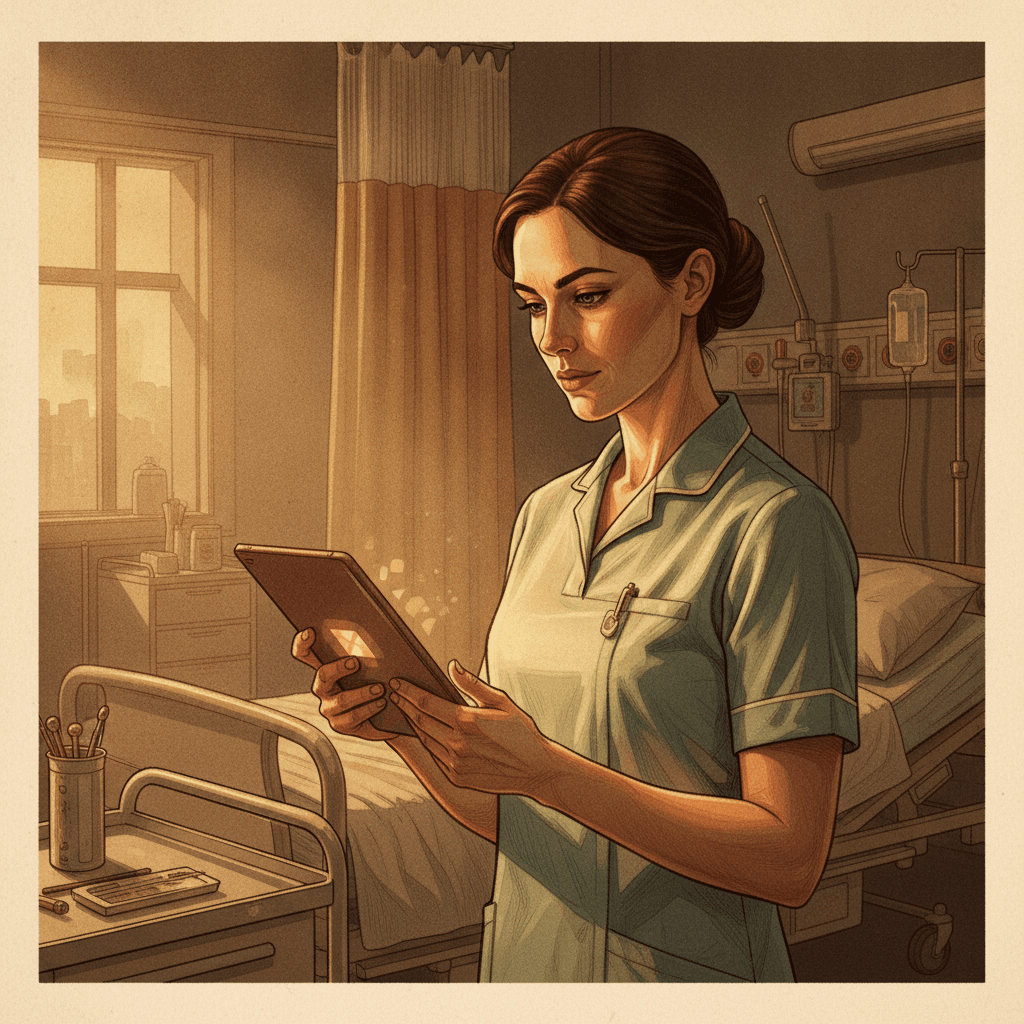
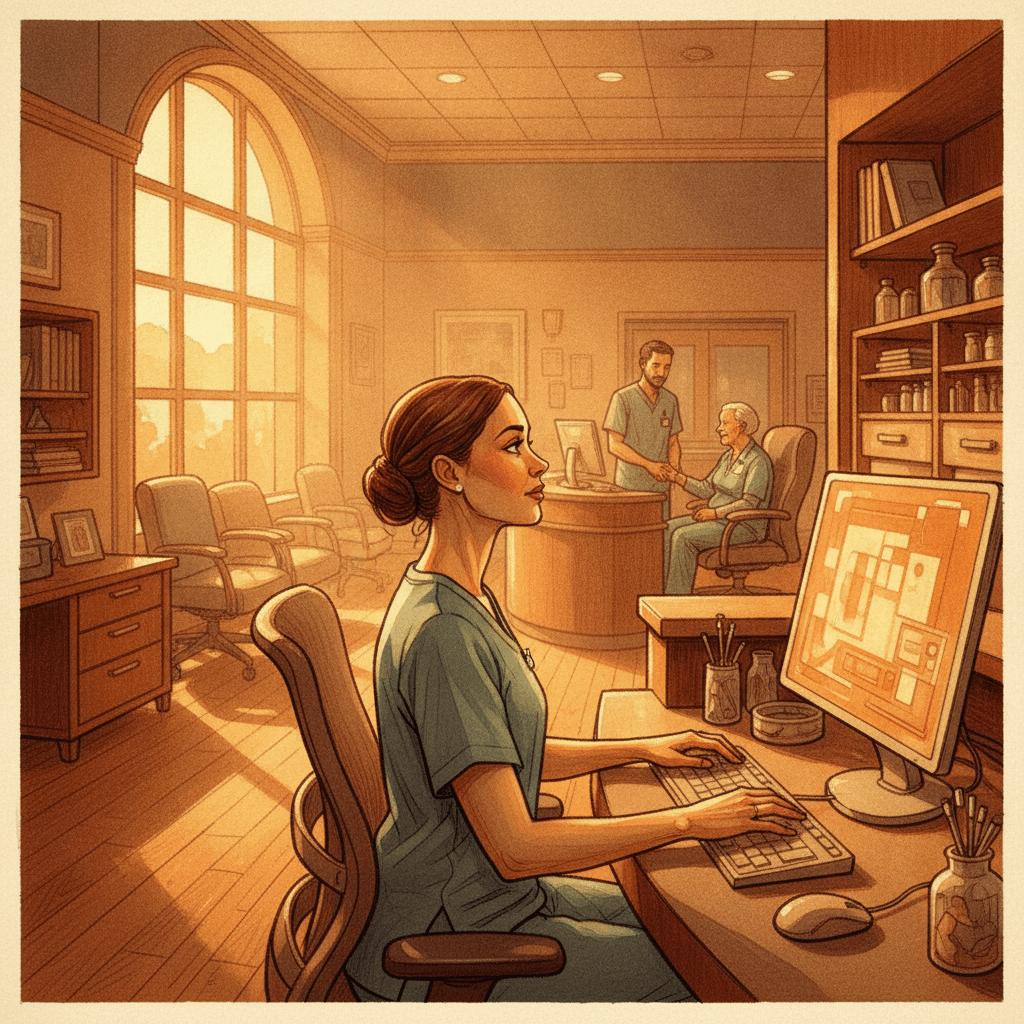
Nurses are drowning in administrative tasks, often spending more time documenting than directly caring for you or your loved ones. But what if artificial intelligence (AI), acting like a diligent assistant, could predraft your medical notes, freeing up precious hours? This isn't a distant dream; it's happening right now in hospitals that are quietly testing these new tools to tackle the overwhelming demands on their healthcare heroes.
Imagine a world where the vast majority of your nurse's shift isn't spent typing, but rather at your bedside. That's the vision driving the integration of generative AI in nursing. Generative AI is a type of computer program that can create new content, like text or images, based on what it's learned, much like a skilled writer can draft an email based on a few bullet points. By streamlining communication and handling the initial draft of documentation, these systems aim to ease what's known as "cognitive overload"—the feeling of having too many tasks and too much information to process at once.
How AI Tools Are Freeing Up Nursing Time
The core idea here is to expand a nurse's cognitive capacity, giving them mental space back for the things only humans can do. Instead of replacing their clinical judgment, AI acts as a structural intervention, a fundamental change to how the work is organized, reducing the pressure that leads to exhaustion and even nurses leaving the profession. Think of it like a personal assistant who handles all the mundane scheduling and email drafting, so you can focus on the truly important, strategic work.
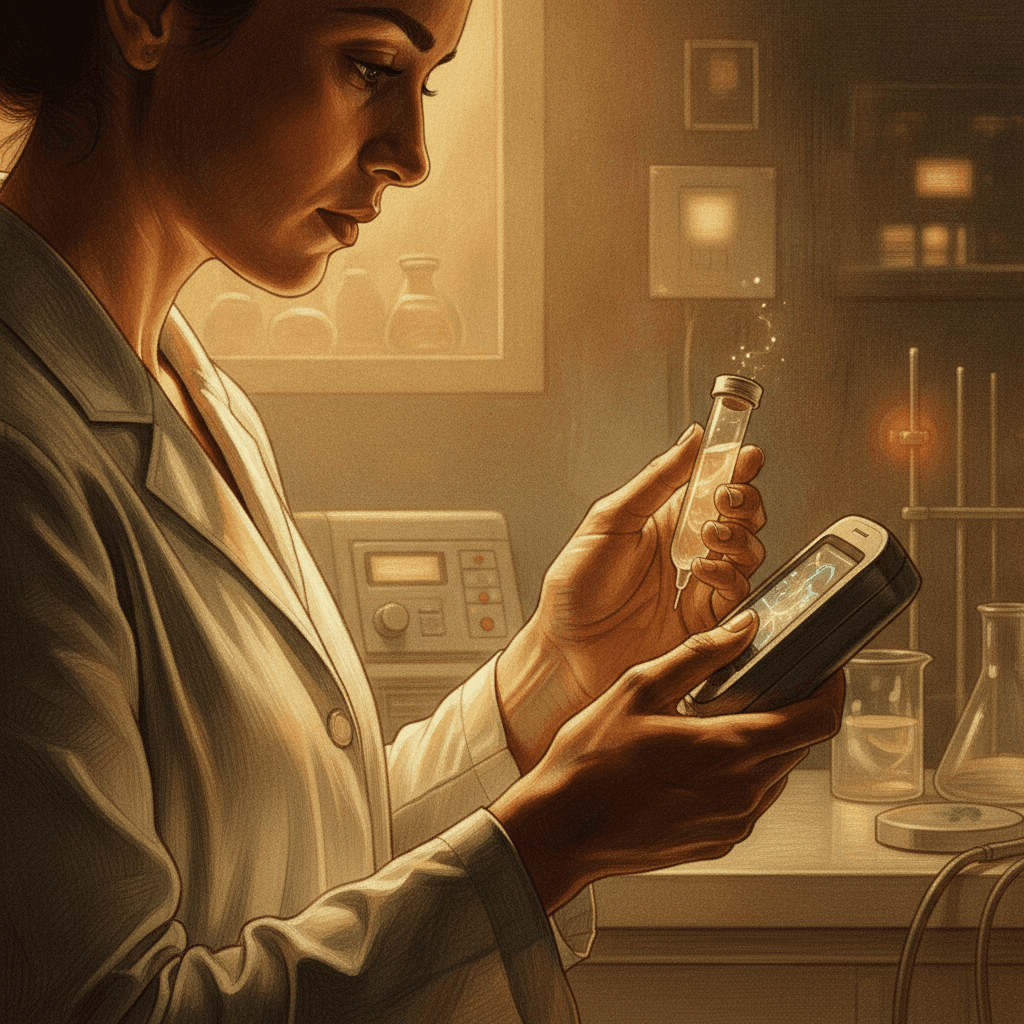
One early example is an in-house generative AI health assistant designed to predraft documentation and simplify patient communication. This system doesn't make medical decisions; it simply processes information, like patient symptoms and physician orders, and organizes it into a preliminary report, ready for the nurse to review and finalize. This alone saves significant time, allowing nurses to spend more moments focusing on understanding medical reports and patient education.
Reading Brainwaves to Prevent Burnout
Here's where it gets even more fascinating: researchers are exploring brain-computer interface (BCI) devices, like Galea and EMOTIV headsets. These devices are like advanced helmets or headbands that can read your brain's electrical activity, similar to how a seismograph measures earthquake tremors. By capturing electroencephalography (EEG) data, which tracks the electrical signals in your brain, these systems can offer real-time insights into a clinician's cognitive workload and emotional states.
The goal is to translate these neurophysiological signals—the whispers of your brain activity—into actionable information. If the system detects neural indicators associated with stress, anxiety, or fatigue, it can prompt timely supports for the nurse. This means catching the signs of strain as they emerge, before they lead to full-blown burnout. For example, if a nurse's brain activity shows high stress during a documentation period, the system might suggest a short break or flag the need for assistance.
When Could This Reach Your Hospital?
Implementing these wireless BCI systems during structured documentation periods and simulation-based training sessions ensures they fit smoothly into busy clinical workflows. This combination of neurotechnology, machine learning (where computers learn from data without explicit programming), and generative AI turns subtle neural signals into meaningful insights. It's about preserving the well-being of healthcare professionals, ensuring they can provide the best possible care.
Nursing-led governance and strong safeguards are absolutely crucial here. This isn't about AI taking over, but about nurses guiding how these tools are used to empower them. While the generative AI for predrafting documentation is already in early testing, the BCI aspect that reads cognitive workload is still largely in research and simulation phases. You might see more widespread use of AI for documentation support in the next 3-5 years, but the neuro-monitoring aspects are likely 5-10 years away from common clinical practice, pending extensive trials and ethical considerations.
Ultimately, these advancements change something very personal: the quality of care you receive. By reducing administrative burdens and supporting nurse well-being, these technologies help ensure that when a nurse is at your bedside, their full attention and expertise are focused entirely on you. This isn't just about efficiency; it's about restoring the human connection at the heart of healthcare.
Key Takeaways
- AI can predraft nursing documentation, reducing administrative load and freeing up more time for patient care.
- Brain-computer interfaces may soon monitor nurses' stress levels in real-time, prompting interventions before burnout.
- These technologies aim to support nurses and enhance patient interaction, not replace human judgment, under nursing-led guidance.
Frequently Asked Questions
What is generative AI in nursing? Generative AI acts as a smart assistant, helping nurses by drafting documentation and streamlining communications. It frees them from repetitive tasks, allowing more focus on direct patient care and therapeutic interactions.
How do brain-computer interfaces help nurses? BCI devices monitor brain activity to detect signs of stress, anxiety, or fatigue in nurses. This real-time insight allows systems to suggest timely supports, preventing burnout and improving overall well-being.
When will these AI tools be common in hospitals? AI for documentation is in early trials and could be widespread in 3-5 years. BCI neuro-monitoring for stress is further out, likely 5-10 years, needing more testing and ethical review before common use.
Editorial note: The scientific findings presented in this article are sourced exclusively from published research papers, peer-reviewed studies, certified inventions, and registered patent filings. Images generated by AI.
Stay ahead of the curve
The science that shapes tomorrow — in your inbox every week
The scientific findings presented in our articles are sourced from published research papers, peer-reviewed studies, certified inventions, and registered patent filings. Subscribe for focused weekly coverage, hands-on explainers, and practical insights that help you stay curious — no jargon, no noise.
By subscribing, you agree to receive newsletter and marketing emails, and accept our Terms of Use and Privacy Policy. You can unsubscribe anytime.
Health, Mental Health & Neuroscience
European health correspondent exploring the science of the human brain and behaviour.
View full profile →