A Simple Plant Trick Quietly Calms Your Brain
Did you know some brain cells act like tiny pac-men, gobbling up vital feel-good chemicals too quickly? New research reveals a surprising natural compound that might finally help calm this overactivity.
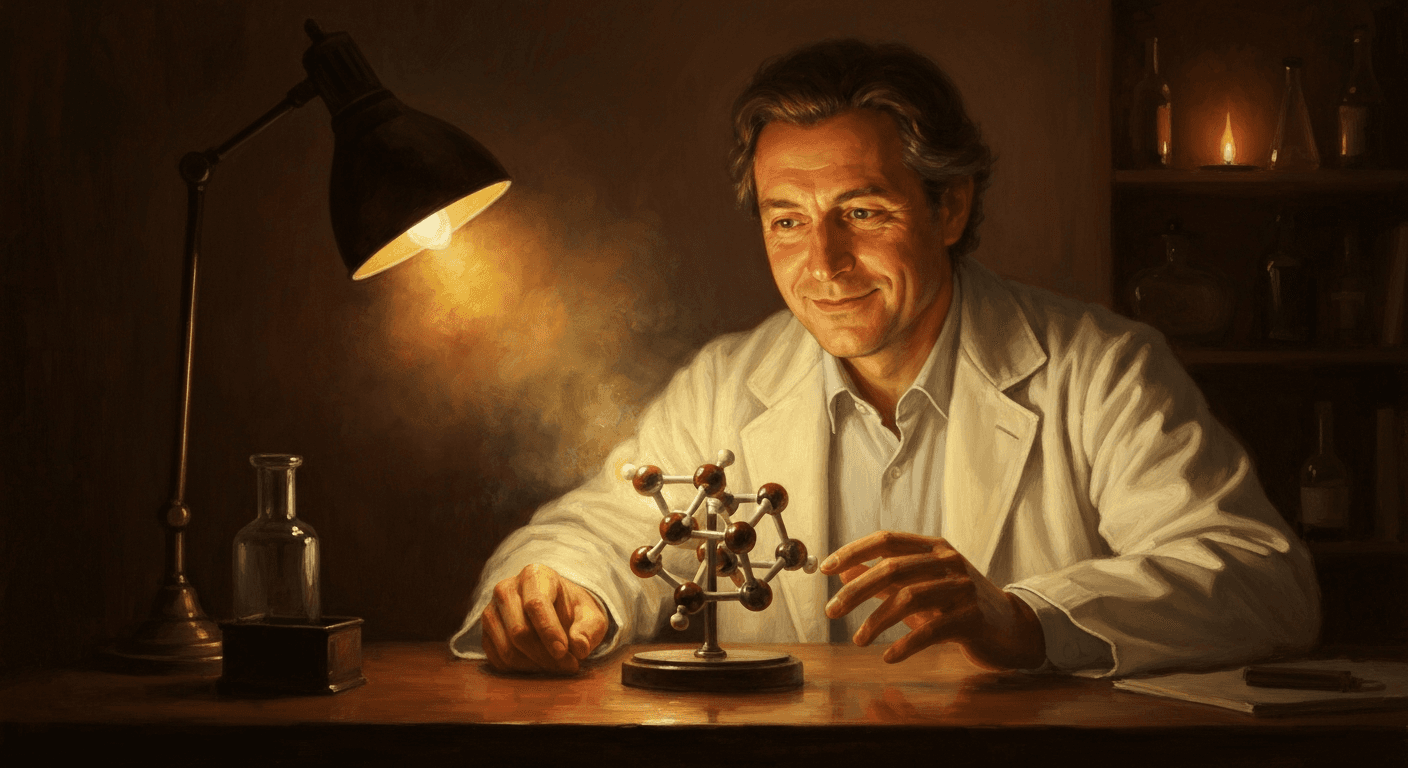
Have you ever felt like your brain is running a marathon it can’t finish, even when you’re just trying to relax? It turns out, parts of your brain are constantly working, and sometimes, a specific enzyme starts clearing out important brain chemicals too fast. But imagine a future where a simple, plant-derived molecule could gently slow down this overzealous cleanup crew, helping your brain maintain a calmer, more balanced state.
This isn't just a hopeful thought; it's a real focus for researchers right now. Scientists from the University of Seville, Spain, among others, are keenly studying natural compounds that could help manage conditions like Parkinson's disease. Their recent work, published in ACS Omega by a team including lead researcher Professor Francisco Javier Romero-Tabares, shows how certain modified plant-based chemicals can precisely target and dial down specific brain activity.
How Your Brain’s Clean-Up Crew Affects Your Mood
Your brain is a bustling city of electrical signals and chemical messages, and it needs a delicate balance to work correctly. One crucial group of chemicals is called monoamines, which includes dopamine and serotonin—the messengers responsible for your mood, motivation, and movement. Think of monoamines as vital text messages your brain cells send to each other.
Now, meet Monoamine Oxidase B (MAO-B), an enzyme that acts like a tiny, super-efficient shredder, breaking down these important monoamine messages. While MAO-B is necessary for recycling brain chemicals, sometimes it gets a little too efficient, shredding messages faster than your brain can send them. This can lead to an imbalance, especially in areas of the brain that control movement and pleasure, contributing to conditions like Parkinson's. This is why understanding the intricate balance of these processes is essential for your brain's hidden map reveals future sickness.
A Plant-Based Molecule That Dials Down Overactivity
Researchers have been exploring a class of molecules called chalcones, which are naturally found in plants like tea and spices. These compounds are known for their antioxidant properties—think of them as tiny shields protecting your cells from damage. The Seville team created a library of these chalcone molecules, linking them with a component similar to a common Alzheimer's drug, donepezil. Their goal was to see if these new "donepezil-linked chalcones" (DLCs) could precisely inhibit MAO-B.
One particular molecule, DLC14, stood out. It’s like a specialized key fitting perfectly into the MAO-B shredder, slowing down its activity without fully shutting it off. In experiments, DLC14 showed it could significantly improve motor skills and behavior in rats with symptoms of Parkinson's disease. The effects were comparable to, and sometimes even better than, existing treatments like Selegiline, which is a common drug used to manage Parkinson's. It effectively calms the specific brain pathways that get overactive.
What This Means for Your Future Health
This discovery isn't ready for your medicine cabinet tomorrow; it's still in the pre-clinical research phase, meaning it’s being tested in cells and animals. It will likely take another 5-10 years, including human clinical trials, before we see if something like DLC14 becomes a new treatment option. However, the promise is clear: a more targeted way to manage neurological conditions by gently reining in MAO-B. The fact that it comes from a plant-derived structure also raises interest in its potential safety profile.
Imagine a world where managing conditions that affect movement and cognitive function could be done with fewer side effects, or with a compound that works more specifically on the problem. This type of tailored approach highlights a wider trend in medicine, where we're moving towards solutions that understand and adjust the body's own systems, rather than simply overriding them. Scientists are exploring similar precise interventions, like how tiny engines quietly fix your body at a cellular level.
Why This Specific Approach Matters
Many existing treatments for Parkinson's, for example, increase dopamine levels generally, which can have wider effects across the body. DLC14, on the other hand, acts like a smart dimmer switch, specifically reducing the overactivity of MAO-B. This focus on inhibition is crucial because it helps to preserve the brain's natural dopamine levels for longer, potentially leading to more stable symptom management.
One surprising fact is that MAO-B activity naturally increases as we age. This means that even healthy aging brains could potentially benefit from better MAO-B regulation, though much more research is needed here. Could this type of intervention someday play a role in maintaining cognitive sharpness or emotional balance later in life? It’s a fascinating question that researchers are only just beginning to explore. Understanding specific enzymes helps us grasp how your body's enemy is quietly losing power.
The Road Ahead for Plant-Inspired Treatments
The scientific community will need to conduct extensive studies to confirm DLC14’s safety and effectiveness in humans. This includes checking for any long-term side effects and ensuring it works consistently across different individuals. But the early results are genuinely exciting. Finding highly selective compounds that act as mixed-type reversible inhibitors—meaning they don’t permanently shut down MAO-B but rather modulate its activity—is a significant step forward. This precision makes it a strong candidate for further investigation.
This work reminds us that sometimes, the solutions to complex health challenges can be inspired by the natural world around us, refined by clever chemistry. It’s a testament to the patient, methodical work of discovery that promises to improve lives, one tiny molecule at a time.

Key Takeaways
- A plant-inspired molecule, DLC14, shows promise in slowing down an enzyme (MAO-B) that often over-clears vital brain chemicals.
- By acting as a selective inhibitor, DLC14 could offer a more targeted way to manage conditions like Parkinson's disease, with potential for fewer side effects.
- This research highlights the power of natural compounds and precise molecular design in developing future treatments for neurological disorders.
Frequently Asked Questions
What is MAO-B? MAO-B is an enzyme in your brain that breaks down important chemical messengers like dopamine. Sometimes it works too fast, which can contribute to conditions affecting mood and movement.
How does DLC14 work? DLC14 is a plant-inspired molecule that acts like a specific dimmer switch for MAO-B. It slows down the enzyme’s activity, helping your brain maintain balanced levels of crucial chemicals.
Is DLC14 available as a treatment? No, DLC14 is currently in the pre-clinical research phase, tested in cells and animals. It will need many years of further study and human clinical trials before it could potentially become a treatment.
Editorial note: The scientific findings presented in this article are sourced exclusively from published research papers, peer-reviewed studies, certified inventions, and registered patent filings. Images generated by AI.
Stay ahead of the curve
The science that shapes tomorrow — in your inbox every week
The scientific findings presented in our articles are sourced from published research papers, peer-reviewed studies, certified inventions, and registered patent filings. Subscribe for focused weekly coverage, hands-on explainers, and practical insights that help you stay curious — no jargon, no noise.
By subscribing, you agree to receive newsletter and marketing emails, and accept our Terms of Use and Privacy Policy. You can unsubscribe anytime.
Infectious Disease, Vaccines & Global Health
Global health writer tracking the science that protects populations from the diseases that threaten them most.
View full profile →