A Simple Pill Might Ease Deep Sadness
For people living with severe depression that resists standard treatments, a powerful new approach is showing surprising results. Learn how a single dose of a well-known compound, guided by therapy, could offer profound relief where other options have failed.

Some sadness runs so deep it feels like being trapped in a dark, soundproof room, even when the world outside is bright. You've tried everything: different medications that tweak brain chemicals like a faulty thermostat, and countless therapy sessions aimed at reshaping thought patterns. But nothing quite sticks, and the darkness keeps creeping back. What if a single, carefully administered dose of a familiar substance, combined with specialized therapy, could help you see the light again?
This isn't just a hopeful thought experiment; it's a real shift happening in how we understand and treat severe mental health conditions. Researchers are studying how a specific compound, when used alongside psychological support, helps people who haven't found relief from traditional antidepressants. It offers a fresh perspective on a condition that affects millions, sometimes for decades.
A New Path for Stubborn Sadness
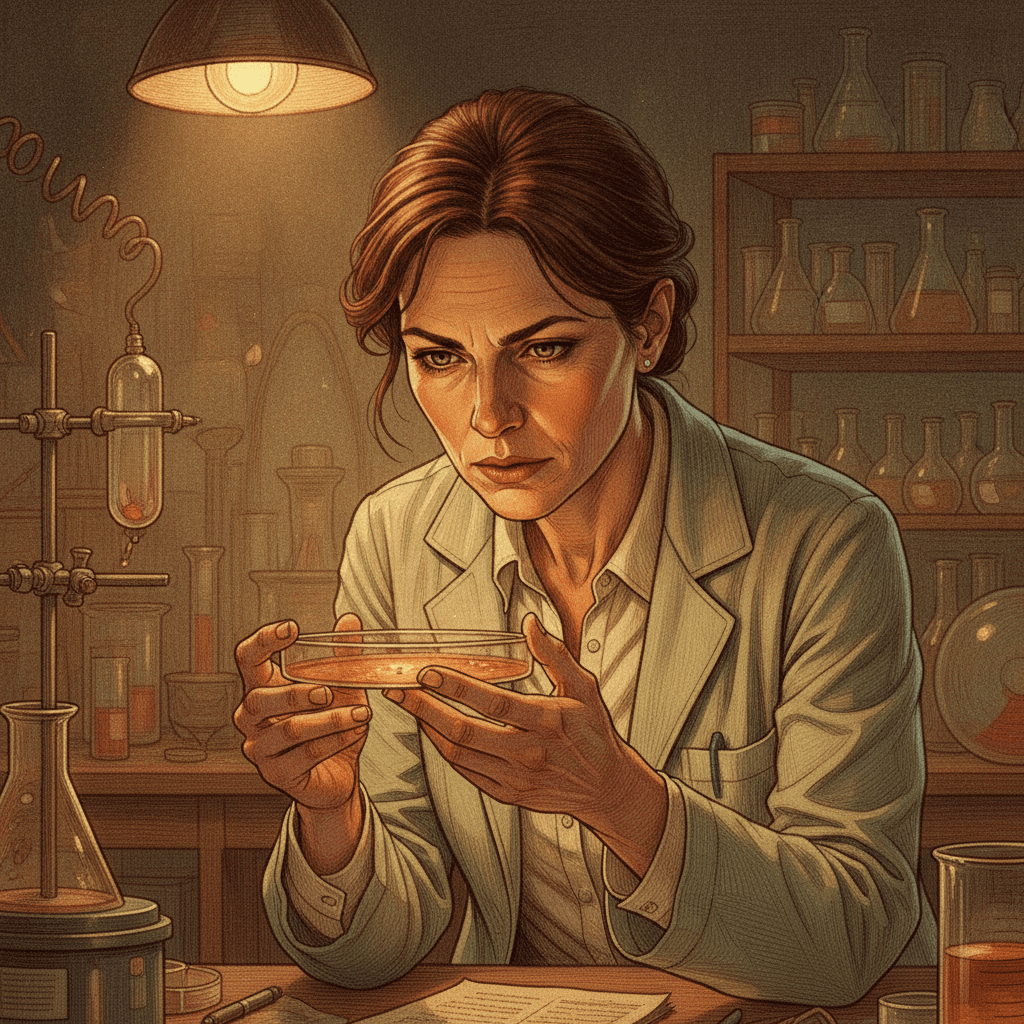
This isn't science fiction; it's the subject of rigorous, peer-reviewed research. A study published in The New England Journal of Medicine in 2023, conducted by the Centre for Psychedelic Research at Imperial College London, found promising results. They worked with individuals experiencing treatment-resistant depression, meaning their symptoms persisted despite trying at least two different antidepressant medications or a combination of medication and psychotherapy. This group often feels like they've run out of options.
The core idea here is that certain compounds can temporarily "reset" rigid thought patterns in the brain, much like defragmenting a computer hard drive reorganizes data to make it run smoother. One of the compounds being studied is psilocybin, often associated with hallucinogenic mushrooms. But here's the crucial twist: it's not about recreational use. It's about a precisely measured 25-milligram dose, given in a controlled, supportive environment by trained therapists. This careful setting is vital, preventing the overwhelming or disorienting experiences often linked with unsupervised use.
The treatment process involves three key steps. First, preparation sessions help you understand what to expect and set intentions, much like a guide preparing you for a journey. Second, the dosing session itself, where you take the psilocybin under the watchful eye of therapists, often lying down with an eye mask and headphones, allowing the experience to unfold internally. Third, integration therapy helps you make sense of the experience afterward, incorporating any insights into your daily life. This entire package of support is called "psilocybin-assisted therapy."

How it Might Quiet the Mind
When you experience severe depression, your brain can get stuck in certain loops, much like a record player needle perpetually skipping on the same groove. This is particularly true for the "default mode network" (DMN), a set of interconnected brain regions that are active when your mind is wandering or reflecting on yourself. In depression, the DMN can become overactive and rigid, leading to rumination – endlessly replaying negative thoughts or worries.
Psilocybin seems to temporarily quiet this rigid DMN, allowing other parts of your brain to communicate more freely. Think of it like turning off the rigid manager in your brain, letting the creative team brainstorm without constant oversight. This creates a window of "neuroplasticity," where your brain is more open to forming new connections and breaking old habits. It's like having a brief opportunity to redraw the map of your inner landscape. (/article/what-your-brain-forgets-before-you-do) This isn't about simply feeling happy; it's about gaining a new perspective on long-held patterns of thought and feeling.
The recent randomized controlled trial at an NHS site in England, published in Psychopharmacology, involved 60 participants. They found that at week 3, those receiving psilocybin therapy showed an average depression score reduction of 10.41 points more than the placebo group on a standard depression rating scale (Montgomery-Åsberg Depression Rating Scale or MADRS). This effect was sustained at week 6. That's a very significant difference, suggesting a profound impact.
Addressing Skeptics and Future Hurdles
Of course, the idea of using a psychedelic compound for therapy raises eyebrows. Skeptics often point to the potential for misuse or negative experiences. However, the controlled environment, careful screening of participants, and extensive psychological support are designed to mitigate these risks. This isn't about giving someone a pill and sending them home; it's a meticulously managed process.
The biggest hurdle for this therapy is scaling it up from small trials to widespread public access. It requires significant resources: highly trained therapists, dedicated clinical spaces, and robust regulatory frameworks. It's not a quick fix, and it's not cheap. Researchers, like the team led by Dr. Robin Carhart-Harris from Imperial College London, are exploring how to make it more accessible and cost-effective, but it's likely still 5-10 years away from becoming a routine option in public healthcare settings.
If this approach becomes more common, it could dramatically change the lives of people for whom existing treatments offer little hope. Imagine a world where people trapped in severe, chronic depression have a genuine path to lasting relief, potentially avoiding years of suffering and disability. It could also lead to a deeper understanding of how the brain works, potentially influencing treatments for other conditions. (/article/how-ai-is-finally-learning-your-body-s-secret-signals) It even challenges our preconceptions about what "medicine" can be, moving beyond daily pills to profound, guided psychological experiences. It's a reminder that sometimes, the most surprising answers come from unexpected places.
Real Hope for Stubborn Illnesses
The promise of psilocybin-assisted therapy extends beyond just depression. The insights gained into brain plasticity and emotional processing could open doors for treating other difficult conditions, like PTSD, anxiety disorders, and even addiction. The way it encourages new neural pathways to form, like fresh tracks in a snowy field, offers a novel framework for mental health. (/article/why-your-bodys-defenders-get-fooled-by-sickness) This approach is a testament to the power of careful science to unlock profound healing, reminding us that sometimes the tools we need have been around, just waiting to be understood in a new light.
Key Takeaways
- A single dose of psilocybin, combined with therapy, significantly reduced severe depression symptoms where traditional treatments failed.
- The compound temporarily "resets" rigid brain activity, fostering new perspectives and emotional processing.
- This approach, though promising, requires significant development and regulatory steps, likely becoming widely available in 5-10 years.
Frequently Asked Questions
What is psilocybin-assisted therapy? It's a treatment combining a single, carefully monitored dose of psilocybin with extensive psychological support, including preparation and integration sessions. It aims to treat severe depression that hasn't responded to other therapies.
How does psilocybin affect the brain? Psilocybin temporarily reduces activity in the brain's "default mode network," which often gets stuck in negative thought loops during depression. This allows for new connections and fresh perspectives to form.
Is this treatment available now? While research trials show promise, psilocybin-assisted therapy is not yet widely available as a standard treatment. It requires more research, regulatory approval, and specialized infrastructure, likely taking 5-10 years for broader access.
What makes this different from traditional antidepressants? Traditional antidepressants often need daily intake to manage symptoms by altering brain chemistry. Psilocybin therapy aims for a single, profound experience that can lead to a sustained shift in perspective and brain function, guided by intensive psychological support.
Editorial note: The scientific findings presented in this article are sourced exclusively from published research papers, peer-reviewed studies, certified inventions, and registered patent filings. Images generated by AI.
Stay ahead of the curve
The science that shapes tomorrow — in your inbox every week
The scientific findings presented in our articles are sourced from published research papers, peer-reviewed studies, certified inventions, and registered patent filings. Subscribe for focused weekly coverage, hands-on explainers, and practical insights that help you stay curious — no jargon, no noise.
By subscribing, you agree to receive newsletter and marketing emails, and accept our Terms of Use and Privacy Policy. You can unsubscribe anytime.
Health & Biomedical Innovation
Science journalist and former biomedical researcher covering the frontiers of medicine.
View full profile →