Your Plastic Waste Could Soon Power Your Car
The global plastic crisis feels overwhelming, but what if your discarded bottle could become clean-burning fuel? Scientists just optimized a way to turn mixed plastic waste into energy, offering a surprising path to a circular economy.
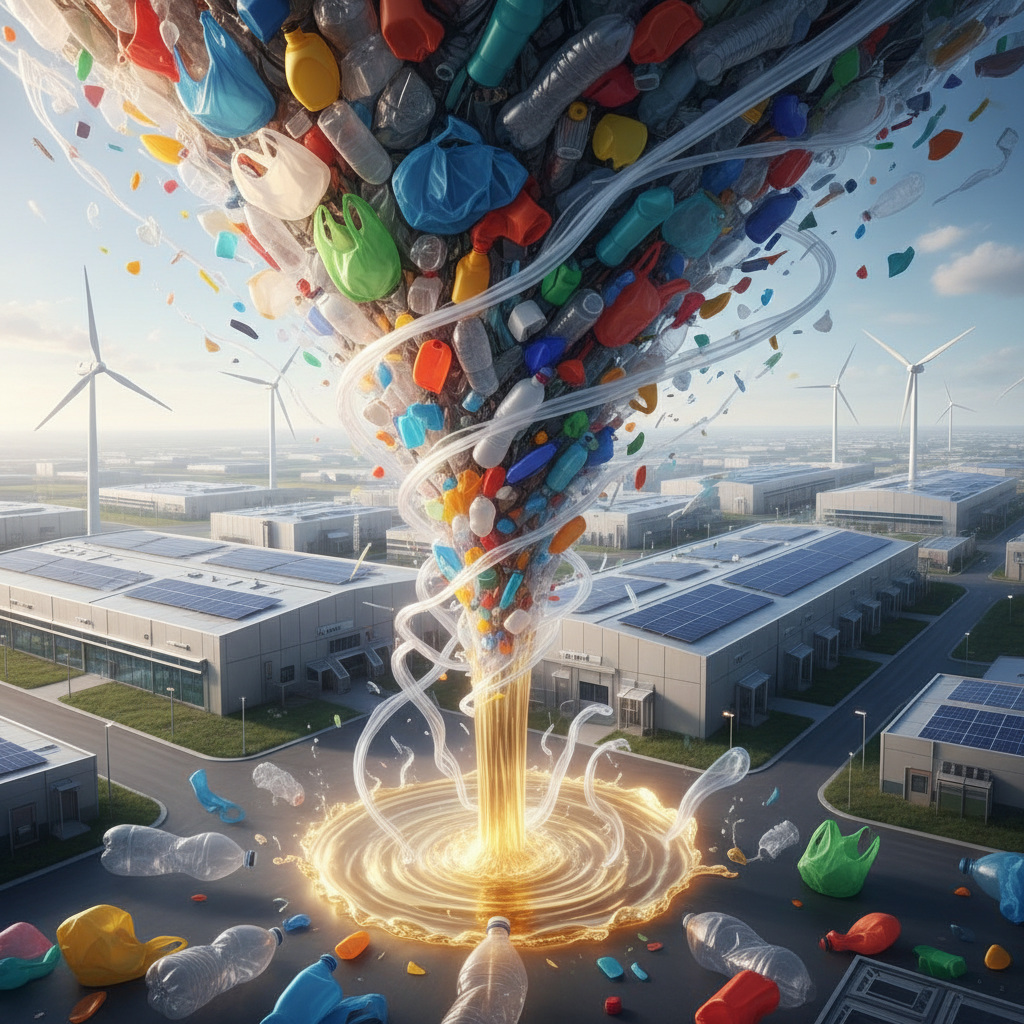
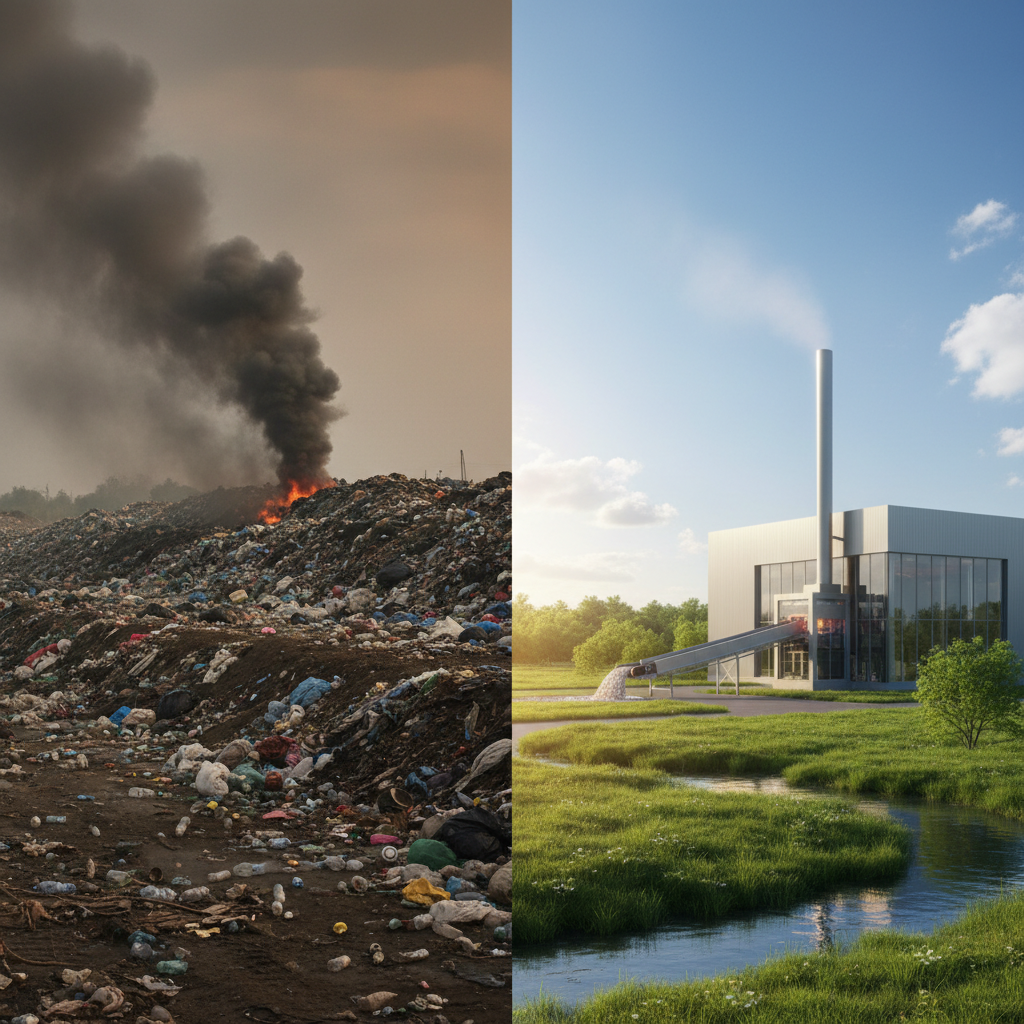
You probably touched plastic a dozen times before breakfast today. Your toothbrush, coffee cup lid, food packaging—it's everywhere. And after you're done with it, where does it go? Too often, it ends up clogging landfills, polluting oceans, or getting burned, pumping more carbon into the air we breathe. It's a problem so big, it can feel impossible to solve.
We've all heard about recycling, right? You dutifully sort your plastics, hoping they get a second life. The truth is, mechanical recycling, where plastic is melted down and remolded, often struggles. Mixed plastic types, contaminants from food, or just the sheer degradation from repeated use means a lot of it still ends up as waste.
Incinerating plastic, which involves burning it at high temperatures, is another option. While it generates some energy, it's also a major contributor to greenhouse gas emissions and air pollution, often releasing harmful toxins. It feels like we're constantly choosing the lesser of two evils, instead of finding a true solution for our mountains of plastic waste.
The Secret Ingredient? Heating Without Oxygen
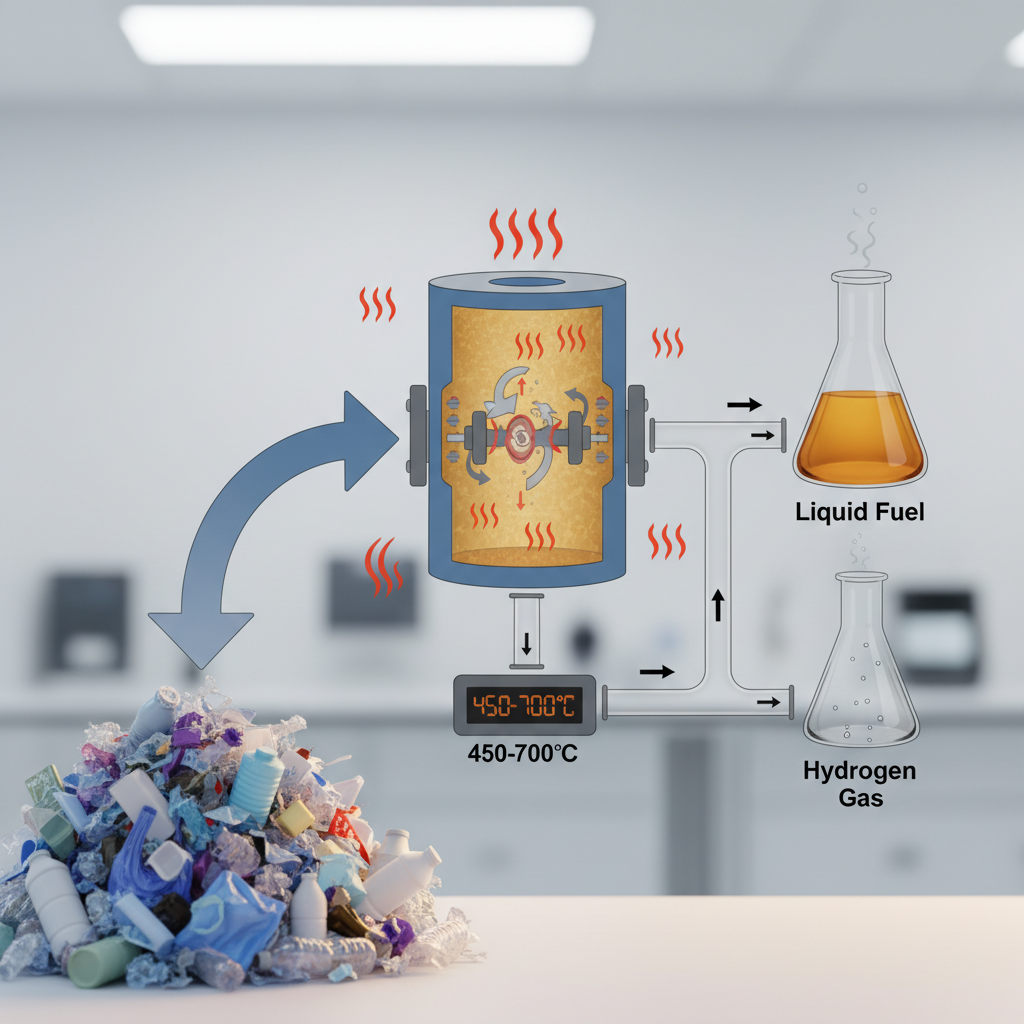
What if you could take all that diverse plastic, from your milk jug to your yogurt pot, and turn it into something genuinely valuable, like fuel or even hydrogen? This isn't science fiction; it's the promise of plastic waste pyrolysis. Think of it like baking plastic in an oven without any oxygen, rather than burning it. Instead of catching fire, the plastic breaks down into its basic components: oils, gases, and some solid carbon. This process, known as thermochemical conversion, is a powerful form of chemical recycling.
A team of researchers, studying this exact challenge, recently optimized the pyrolysis process, finding the sweet spot for turning mixed plastic waste into useful energy. They used sophisticated computer simulations—think of it as a virtual chemistry lab called Aspen Plus—to figure out the best recipes.
Imagine heating a mix of plastic at just the right temperature, without any air getting in. That’s essentially what pyrolysis does. The plastic doesn't burn; it just gets hot enough to decompose. This carefully controlled "baking" lets us collect the gases and liquids that come off, which can then be refined into new fuels.
[IMAGE_
How Plastic Becomes Power: The Science Behind the Heat
So, how does this plastic-to-fuel conversion work in practice? The researchers fine-tuned various settings, including temperature and pressure, to maximize the output of either liquid fuel or hydrogen gas. For producing fuel from mixed plastics, they discovered an optimal "cooking" temperature of 460 degrees Celsius (860°F) at standard atmospheric pressure. This specific combination yielded the most usable fuel products.
When the goal shifted to producing hydrogen—a truly clean energy source—the process became a bit more involved. They integrated pyrolysis with in-line steam reforming, which means they added steam directly into the system. For hydrogen, the optimal conditions were much hotter: 700 degrees Celsius (1292°F), with a steam-to-plastic ratio of 2, again at standard pressure. This higher heat and steam addition helps break down the plastic's components even further, stripping out hydrogen atoms.
Here's the surprising bit: The process can be incredibly energy efficient. The team incorporated heat integration, a smart system that recaptures waste heat from one part of the process and uses it in another. Think of it like using the heat from your oven to pre-warm the next dish—it saves a lot of energy. This heat recovery dramatically reduces how much outside energy the whole setup needs, making it much more sustainable. This efficient design, validated by the Aspen Energy Analyzer, is crucial for real-world viability.
[IMAGE_

From Lab Bench to Your Neighborhood: The Future Vision
Right now, this research is a powerful step forward in optimizing the science. It's moving us closer to turning a global problem—our mountains of plastic waste—into a valuable resource. The researchers even ran an economic assessment using Aspen Process Economic Analyzer. They found that the overall profitability of this method largely depends on how much plastic feedstock (raw plastic waste) you can process and how effectively you can sell the resulting fuel or hydrogen. More plastic in means more fuel out, directly impacting the revenue.
This isn't just about diverting waste; it's about closing the loop. Instead of making new plastics from virgin fossil fuels, and then sending them to a landfill, we can imagine a future where old plastic becomes the raw material for new energy. This concept is at the heart of the circular economy, where waste is designed out of the system. Imagine a future where your local waste management facility isn't just a dump, but a mini-refinery converting local plastic trash into locally consumed fuel or hydrogen.
Think about it: billions of tons of plastic produced since the 1950s are still out there. A significant portion could, potentially, become a sustainable energy source. It’s a radical shift from "dispose and forget" to "reuse and energize."
[IMAGE_
What This Means For You and Your Community
This research advances our knowledge significantly by providing optimized parameters for converting mixed plastic waste into fuel and hydrogen. It also highlights the importance of energy efficiency through heat recovery and provides an economic framework for its feasibility. While large-scale applications are still in development, the scientific foundation is becoming incredibly solid.
The next time you toss a plastic bottle into the recycling bin, know that the path for that plastic might be changing. Instead of being relegated to a distant landfill or ocean gyre, it could one day contribute to fueling your community. This isn't just about managing waste; it's about unlocking a massive, untapped energy potential right under our noses. This study, published via OpenAlex, truly pushes the boundaries of sustainable waste-to-energy technologies, laying the groundwork for cleaner air and a more resource-efficient future.
Key Questions About Plastic-to-Fuel Pyrolysis
What is Pyrolysis for Plastic Waste?
Pyrolysis is a heating process that breaks down mixed plastic waste at high temperatures (like 460-700°C) without oxygen. Instead of burning, the plastic decomposes into oil, gas, and solid carbon, which can then be converted into fuels or hydrogen.
Why is Plastic Pyrolysis Important for the Environment?
It's important because it offers a way to reduce plastic pollution in landfills and oceans, decrease reliance on fossil fuels, and lower greenhouse gas emissions compared to incineration. It helps create a circular economy by turning waste into valuable energy products.
Can All Types of Plastic Be Converted Into Fuel?
Yes, one of the benefits of pyrolysis is its ability to handle mixed plastic wastes, which mechanical recycling often struggles with. This makes it a more versatile solution for the complex stream of plastics we discard daily.
Key Takeaways
- Pyrolysis offers a robust solution for mixed plastic waste: Unlike traditional recycling, it can process diverse plastic types, converting them into valuable fuels or hydrogen.
- Optimal conditions make a difference: Researchers identified specific temperatures and pressures (e.g., 460°C for fuel, 700°C with steam for hydrogen) that maximize energy product yields.
- Heat integration is key to sustainability: By reusing waste heat, the pyrolysis process becomes highly energy-efficient and more economically viable, supporting a circular economy.
Editorial note: The scientific findings presented in this article are sourced exclusively from published research papers, peer-reviewed studies, certified inventions, and registered patent filings. Images generated by AI.
Stay ahead of the curve
The science that shapes tomorrow — in your inbox every week
The scientific findings presented in our articles are sourced from published research papers, peer-reviewed studies, certified inventions, and registered patent filings. Subscribe for focused weekly coverage, hands-on explainers, and practical insights that help you stay curious — no jargon, no noise.
By subscribing, you agree to receive newsletter and marketing emails, and accept our Terms of Use and Privacy Policy. You can unsubscribe anytime.
Health & Biomedical Innovation
Science journalist and former biomedical researcher covering the frontiers of medicine.
View full profile →