Your Diet Controls This Body Clock
A surprising truth about your eating habits is quietly influencing your internal body clock, the one that governs how you age. Understanding this mechanism could unlock new strategies for lasting health and a longer, more vibrant life.

Have you ever considered that the timing and amount of your food intake do more than just manage your weight? It turns out your daily meals don't just fuel you; they also speak directly to a crucial set of proteins in your body that act like tiny conductors, orchestrating your cellular aging process. It’s like these proteins, called sirtuins, are listening to your plate and adjusting your internal clock based on what you feed it.
This isn't just a hunch. Researchers are actively exploring how eating less overall, a strategy known as caloric restriction, directly influences these sirtuins. The goal? To understand how this dietary choice might help preserve the function of vital organs, specifically the pancreas, which is essential for managing blood sugar. Think of your pancreas as the gatekeeper for your body's energy levels, constantly balancing sugars and ensuring everything runs smoothly.
What Your Pancreas Does When You Eat Less
When you consistently eat less food, without losing out on essential nutrients – roughly a 30-60% reduction from what you'd typically eat without restriction – your body responds in fascinating ways. One of the most significant responses involves those sirtuins, which are a family of proteins that use a molecule called NAD+ as their fuel. They're like little cellular managers, overseeing everything from how your genes express themselves to how your cells handle stress and repair themselves.
Dr. Rafael de Cabo and his team at the National Institute on Aging have been at the forefront of this research, revealing how caloric restriction reliably extends lifespan and improves metabolic health across a wide array of species, from yeast to monkeys. It's a bit like giving your body a regular, gentle cleaning, allowing these sirtuins to work more efficiently, rather than being constantly overwhelmed. When these sirtuins, particularly SIRT1, SIRT3, and SIRT6, are active in your pancreas, they help keep the cells that produce insulin – called beta-cells – healthy. These beta-cells are vital because they produce the insulin that allows your body to use sugar for energy.
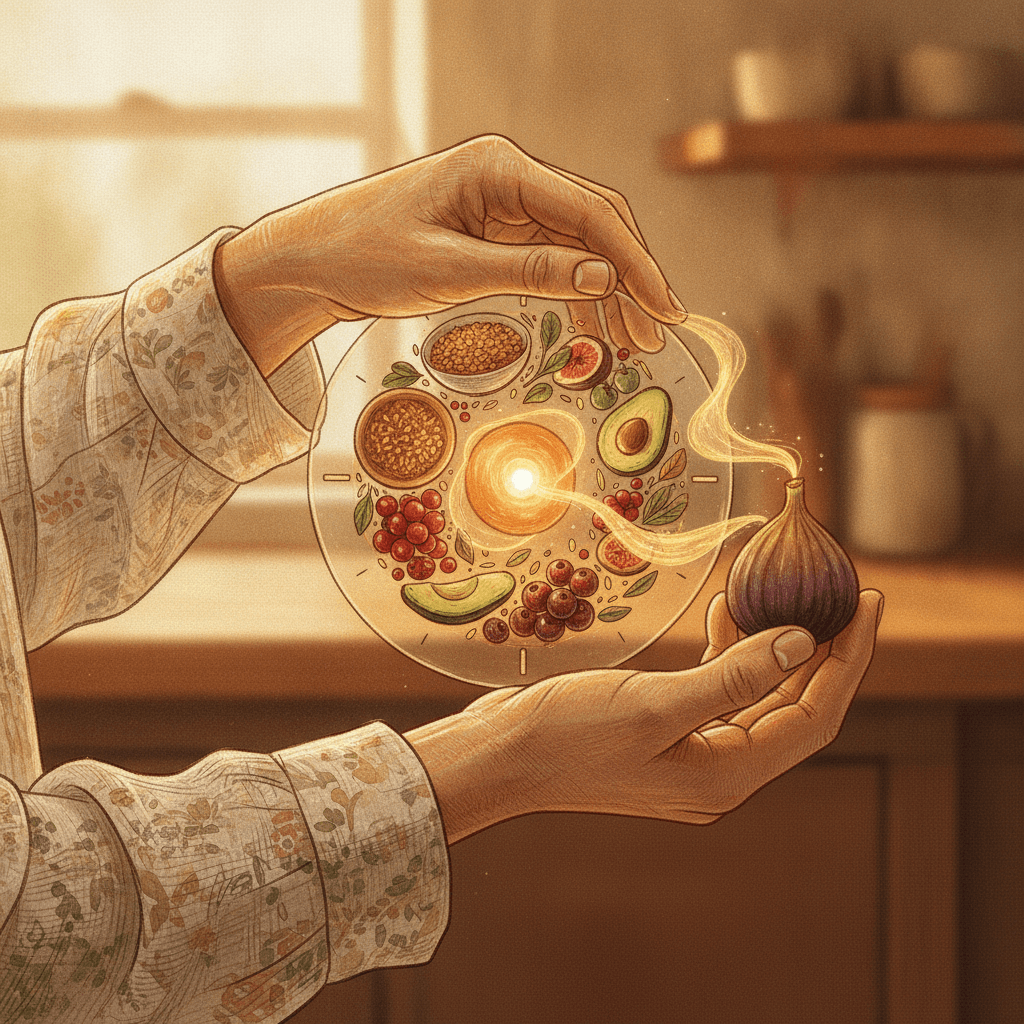
How Less Food Helps Your Insulin Cells
When you reduce your overall food intake, your body experiences less metabolic stress. This means your beta-cells don't have to work as hard constantly. Imagine them as small factories; if they're always in overdrive, they wear out faster. Caloric restriction provides a kind of rest period, allowing sirtuins to step in and protect these cells from damage caused by things like oxidative stress – think of this as cellular rust.
This protective action is huge because when beta-cells start to fail, your body struggles to control blood sugar, which is a hallmark of conditions like type 2 diabetes. One surprising fact: a study published in The Lancet Diabetes & Endocrinology in 2017 showed that even in type 2 diabetes patients, significant dietary energy restriction could lead to the recovery of beta-cell function, essentially putting the condition into remission for many. It highlights just how adaptable our bodies are. This echoes other research into how light exercise can rewire your fear response or how our brain has a hidden pain dial, showing our biology has more levers than we often assume.
What This Means for Your Future Health
The implications of this understanding are massive. If we can activate these sirtuins through diet, or even eventually through specific compounds, we might be able to safeguard pancreatic function and prevent metabolic diseases before they even start. We're not talking about a magic pill tomorrow; more clinical trials are needed to fine-tune the human application of caloric restriction strategies. It's not about starvation, but about smart, consistent reduction.
Current research often focuses on mimicking the effects of caloric restriction through specific diets or even potential medications, but understanding the underlying mechanisms of sirtuins gives us a much clearer target. The next decade will likely see more precise dietary recommendations and possibly even targeted therapies that leverage this deep connection between your eating habits and your internal cellular clocks. This knowledge truly helps us understand how your body's army fights hidden sickness, focusing on prevention at a cellular level.
Ultimately, this research reminds us that what you put on your plate has ripples far beyond just your waistline. It's actively influencing the very machinery of your cells, dictating how well they function and how long they might thrive.
Key Takeaways
- Your dietary intake, specifically caloric restriction, directly influences sirtuin proteins that regulate cellular aging and metabolic health.
- Sirtuins protect the pancreas's insulin-producing beta-cells, improving their function and defending against metabolic diseases like type 2 diabetes.
- Future health strategies may involve precise dietary plans or therapies aimed at activating sirtuins to promote longevity and prevent age-related conditions.
Frequently Asked Questions
What are sirtuins? Sirtuins are a family of proteins that regulate cellular processes like metabolism, DNA repair, and aging. They act like internal cellular managers, fueled by NAD+, responding to your body's energy status.
How does eating less affect sirtuins? Eating less, or caloric restriction, activates sirtuins. This activation helps protect cells, especially in the pancreas, from stress and damage, leading to improved function and potentially longer cellular lifespan.
Can caloric restriction prevent diabetes? Research shows caloric restriction can improve beta-cell function in the pancreas, which is crucial for managing blood sugar. This makes it a promising strategy for preventing and even reversing type 2 diabetes.
Editorial note: The scientific findings presented in this article are sourced exclusively from published research papers, peer-reviewed studies, certified inventions, and registered patent filings. Images generated by AI.
Stay ahead of the curve
The science that shapes tomorrow — in your inbox every week
The scientific findings presented in our articles are sourced from published research papers, peer-reviewed studies, certified inventions, and registered patent filings. Subscribe for focused weekly coverage, hands-on explainers, and practical insights that help you stay curious — no jargon, no noise.
By subscribing, you agree to receive newsletter and marketing emails, and accept our Terms of Use and Privacy Policy. You can unsubscribe anytime.
Biotech, Genetics & Precision Medicine
Biotech correspondent following the genetic revolution reshaping how disease is diagnosed and treated.
View full profile →